
Food Containers That Make Leftovers Easier to Use
Build a manageable storage collection around portions, visible food, lids, and the way you reheat.
Our guides explain practical buying considerations; they do not represent hands-on product tests. The shopping links below are ordinary retailer links and currently do not earn us a commission. How our links work.
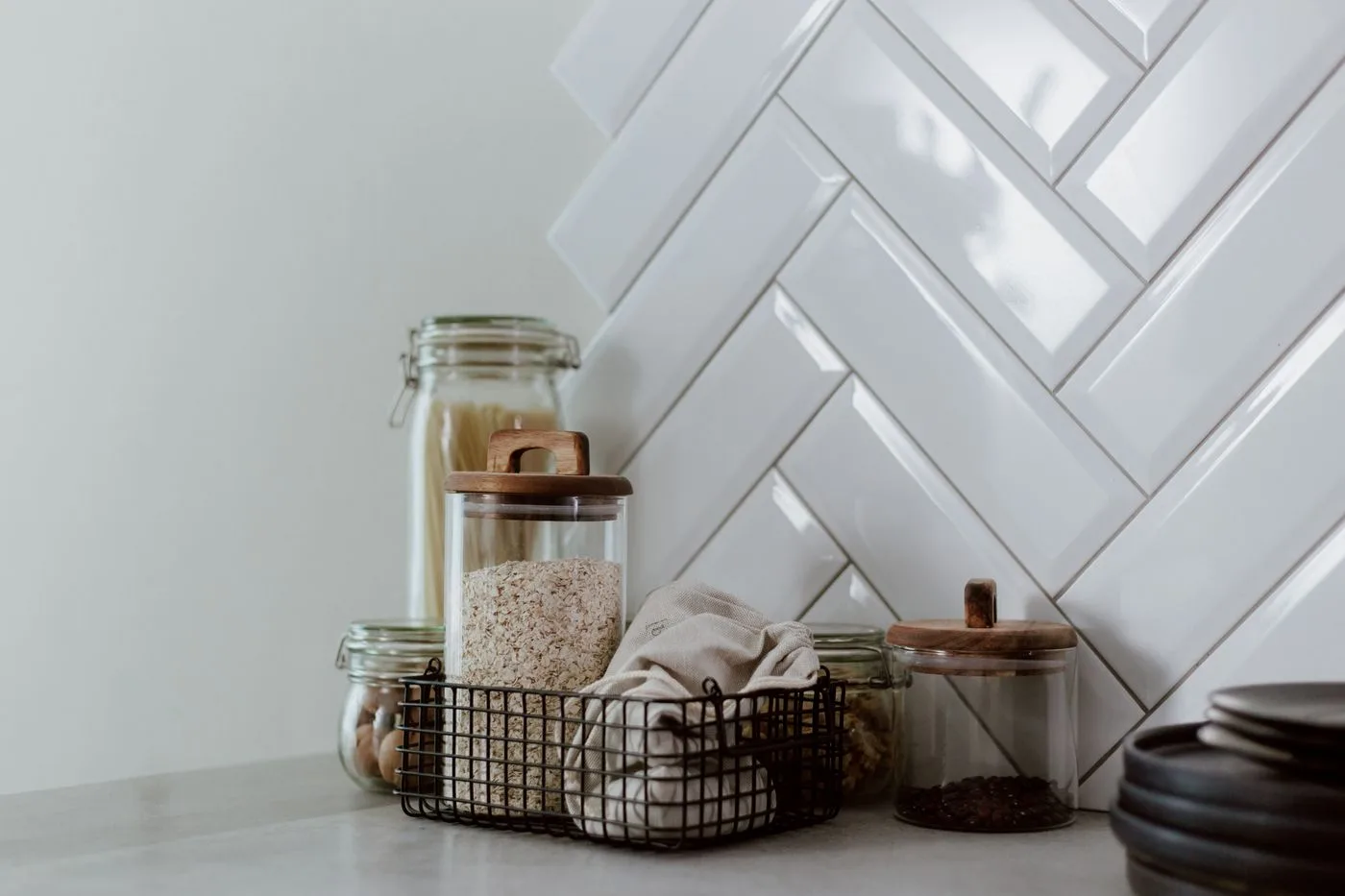
The problem with leftovers is often not a lack of containers. It is a refrigerator full of mismatched boxes that hide the food and a drawer full of lids that fit nothing obvious. A useful storage collection makes dinner easy to see, portion, retrieve, and clean. Start by looking at what you actually save during a normal week rather than buying a large matching bundle immediately.
Count meals, not advertised pieces
A storage set may count each lid as a separate piece. Compare the number of complete usable containers and their capacities. Five containers with five lids do not serve the same purpose as ten complete containers, even if a headline number sounds similar. Also check whether the smallest sizes are useful to you or mainly inflate the set count.
Think about household portions. A deep container can hold a large quantity but may encourage you to reheat more than needed. Several smaller portions can be easier to use for lunches, though they require more lids and washing. Choose based on how the food will be eaten, not just how neatly the empty collection stacks.
Match the material to the journey
Glass can be useful when visibility and particular reheating methods matter, provided the exact product is rated for them. Plastic is often lighter for carrying but varies in heat tolerance and care. Stainless steel can be durable for transport but is generally not a microwave option. Each material comes with a different set of practical constraints.
| Typical use | Useful direction | Check carefully |
|---|---|---|
| Lunch carried in a bag | Manageable weight and a suitable seal | Whether the product is actually leakproof |
| Leftovers reheated at home | A clearly rated reheating container | Separate limits for the lid |
| Freezer portions | A freezer-rated product | Headspace and thawing instructions |
| Dry pantry ingredients | Easy access and clear capacity | Whether the opening fits your scoop |
Do not assume a lid shares the container body's temperature limits. Check oven, microwave, freezer, and dishwasher guidance separately. Avoid sudden temperature changes unless the manufacturer explicitly permits the transition. A material name alone is not a complete use instruction.
Make visibility do some work
Clear sides help you notice food before it disappears behind taller items. Labels with the contents and storage date can help even with transparent containers, especially when several meals look similar. Use food-safety guidance appropriate to the food and your local authority; a date label is an organizational tool, not a guarantee that something remains safe indefinitely.
Prefer shapes that fit the refrigerator shelf and can be lifted out without moving everything around them. Rectangular containers may use some shelves efficiently, but rounded corners can be easier to clean. Tall narrow containers might suit soup and frustrate someone trying to scoop a grain salad. Match the shape to the task.
Test the lid routine
A closure that feels secure in the store may be annoying when your hands are wet or grip strength is limited. Look at clips, seals, and replacement availability. Removable gaskets may allow thorough cleaning but introduce another small part to dry and reinstall. Inspect the product instructions so you understand how the seal should be maintained.
Standardizing a few lid sizes can reduce frustration. It is often more helpful than buying many different shapes in one brand. If existing containers are in good condition, identify the recurring sizes you already reach for and build around them. You do not need to discard a useful collection to make a drawer look uniform.
Buy the smallest system that solves the problem
Begin with enough containers for your usual leftovers and packed lunches. Add more only if you repeatedly run out while the others are being used or washed. Excess containers consume cabinet space and can make the system harder to maintain. A shelf overflowing with empty boxes is not evidence that meal preparation is organized.
Skip containers with vague heat claims, hard-to-clean corners, or lids you cannot operate comfortably. Avoid paying for a large set when most of its capacities do not match your meals. Replacement lids or compatible sizes may offer better long-term convenience than an elaborate initial bundle.
Should hot food go straight into a deep container?
Follow current food-safety guidance for cooling and refrigeration. Shallow portions are often part of safe cooling advice, but the appropriate method depends on the food and amount. Do not leave food out merely to protect a container; use suitable containers and a safe process.
Is a stain a reason to replace a container?
Appearance and structural condition are different questions. Inspect for cracks, damaged seals, warping, and persistent residue, and follow manufacturer guidance. Replace items when they can no longer be cleaned or used as intended.
Explore your options
Use these retailer collections to compare current choices. Check the exact dimensions, materials, care instructions, delivery costs, and return terms before ordering.
Browse food storage containers
Consider it for: Compare complete container counts, capacities, and lid compatibility.
Keep in mind: Set sizes can include lids and seldom-used capacities.
Browse retailer options ↗Browse saucepans for batch cooking
Consider it for: Match cooking quantities to portions you can store and use.
Keep in mind: A larger batch requires a safe cooling and storage plan.
Browse retailer options ↗Sources & further reading
- Browse food storage containers — merchant selection
- Browse saucepans for batch cooking — merchant selection
Editorial information and linked destinations reviewed October 6, 2026. Product ranges and specifications can change. Send a correction or a question.
A little more inspiration
More Kitchen ↗
Choose an Everyday Skillet Around What You Cook
Compare stainless steel, cast iron, and nonstick for weeknight meals, cleanup, and storage.
4 MIN READ
The Cutting Board That Fits Your Kitchen and Your Routine
Choose a prep board around usable space, washing, knife care, and the food you cook.
4 MIN READ
The Sheet Pan You Will Use for More Than Cookies
Choose a baking sheet around oven fit, weeknight dinners, browning, and manageable cleanup.
4 MIN READ