
How to Choose Indoor Plants for the Light You Actually Have
Build a small houseplant collection around windows, care habits, and useful container choices.
Our guides explain practical buying considerations; they do not represent hands-on product tests. The shopping links below are ordinary retailer links and currently do not earn us a commission. How our links work.
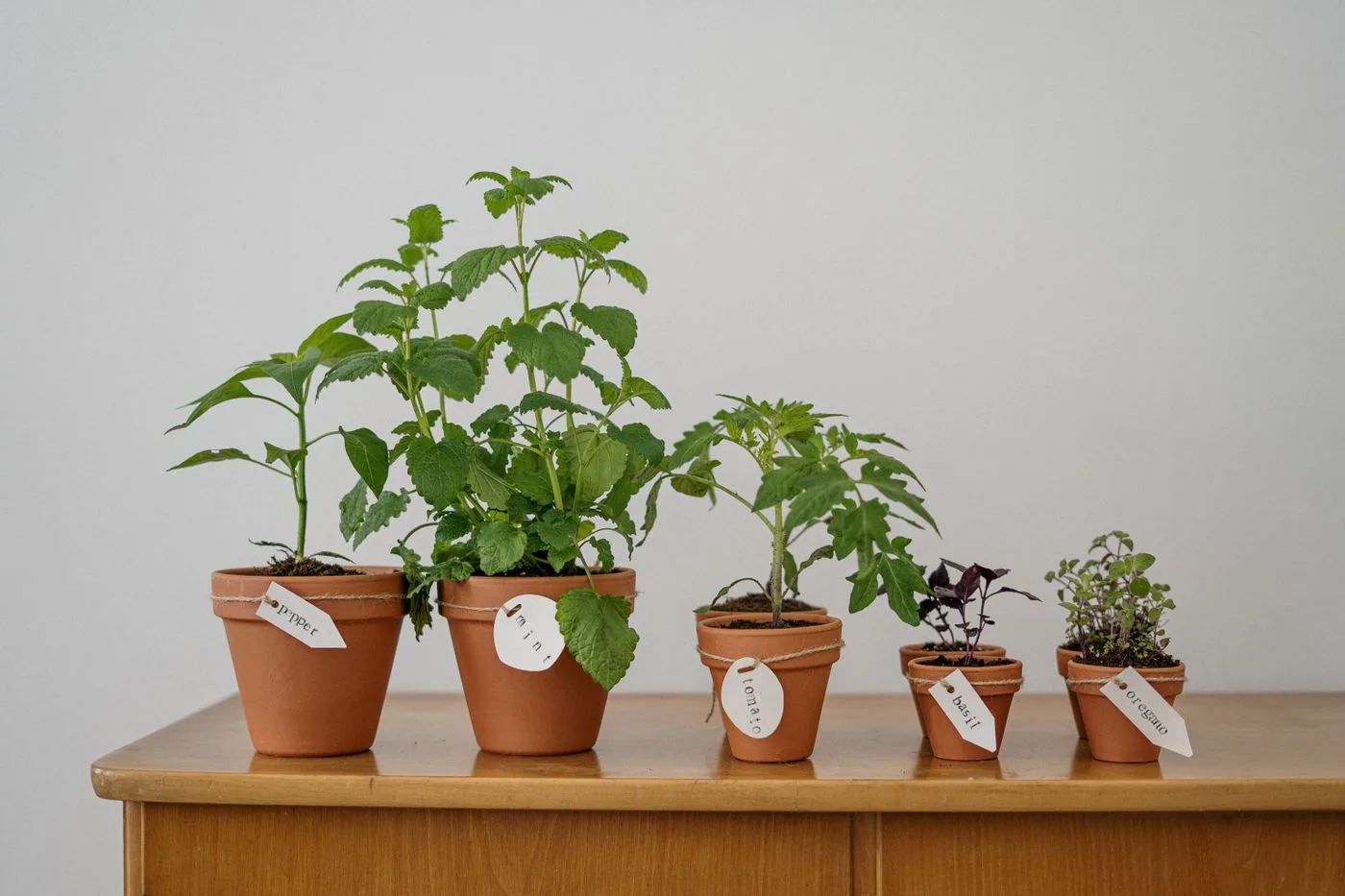
A plant can be healthy at the garden center and unhappy on a beautiful shelf. Often the missing ingredient is the light that reaches the leaves. Before choosing a statement plant for an empty corner, assess that corner as a growing location. The most sustainable indoor collection is a small one that fits your windows and routines.
Read the room before reading the label
Notice where direct sunlight lands, how long it stays, and what blocks it. A deep room can feel bright to a person while providing much less useful light to a plant away from the window. Screens, trees, neighboring buildings, and curtains all change the exposure. Observe more than one time of day, and remember that winter light may differ from the light on the day you shop.
Plant labels sometimes use broad terms such as bright indirect light. Treat those as a starting point and check care guidance for the actual species. A plant marketed for lower light is not a plant that can live indefinitely without light. If the only available place is a windowless bathroom, decide whether you are willing to provide an appropriate grow light before buying a living plant.
Start with the room's best growing location, then choose a plant that suits it. This reverses the expensive habit of falling for a large plant and trying to force an unsuitable space to work. A smaller plant near a useful window can be more satisfying than an oversized one struggling in a dark corner.
Buy a manageable plant, not just a mature silhouette
Consider how the plant will fit when it grows. Will the leaves block a walkway? Can you reach the pot without moving furniture? A trailing plant looks lovely on a high shelf, but watering it may require a ladder and invite drips onto books. An accessible side table can be the better first home.
Inspect leaves, stems, and the visible growing mix before purchasing. Look for damaged growth, insects, and signs of consistently waterlogged conditions. Avoid assuming that a reduced-price plant is an easy rescue. A small healthy specimen is usually a more straightforward starting point than a large stressed one with an appealing discount.
If pets or young children can reach the plant, verify the specific plant's suitability with an authoritative source such as the ASPCA's plant database for pets. Common names can be ambiguous, so keep the botanical name. Moving a plant onto a slightly taller stand does not necessarily keep it away from a climbing cat.
Keep the pot system simple
A nursery pot inside a decorative cover lets you remove the plant for watering and inspect drainage. Choose enough clearance to lift the inner pot comfortably. A tightly wedged container may look polished but make every watering inconvenient. Empty water that collects in the cover rather than leaving the roots submerged.
For a directly planted decorative pot, confirm that it has drainage and a suitable saucer. Protect wood furniture with an appropriate waterproof barrier, and inspect underneath occasionally. Condensation or a small overflow can remain hidden long enough to damage a surface.
Avoid purchasing a large pot simply to match the scale of a room. Repot according to the plant's needs. If a large visual presence is the goal, use a stable stand or a wider decorative cover around the existing growing container without changing the root environment unnecessarily.
A care routine that survives a busy week
Choose a regular day to inspect plants rather than a fixed day to water all of them. Feel the mix, notice pot weight, and follow species-specific guidance. Heating, air-conditioning, growth, and season all affect how quickly the container dries. A moisture meter can provide an extra clue, but it should not replace observation or become a reason to ignore wet mix.
Keep a small watering can where it is easy to fill and wipe leaves when needed with a suitable gentle method. If one plant repeatedly struggles, reassess its location before buying fertilizer. Additional nutrients cannot compensate for the wrong light or persistent overwatering.
Questions worth asking at checkout
Should every plant in a room match?
They can share a pot palette while having different forms. Prioritize care compatibility with the available locations rather than buying several identical plants for symmetrical but unequal light conditions.
Is a grow light worth buying immediately?
It can be useful when natural light is insufficient, but choose a fixture intended for plant use and follow its placement instructions. Consider the timer, visible brightness, electrical routing, and whether you want that equipment in the room.
What is a sensible first collection?
One or two carefully chosen plants allow you to learn how the room behaves. Add another once you understand the watering and light conditions instead of furnishing every shelf in one trip.
Explore your options
Use these retailer collections to compare current choices. Check the exact dimensions, materials, care instructions, delivery costs, and return terms before ordering.
Living plants at IKEA
Consider it for: Compare manageable plant sizes for an actual window location.
Keep in mind: Availability varies and every species needs an individual care check.
Browse retailer options ↗Planters and plant stands at Target
Consider it for: Look for covers and stable stands that protect indoor surfaces.
Keep in mind: Confirm drainage and furniture protection instead of relying on styling photos.
Browse retailer options ↗Sources & further reading
Editorial information and linked destinations reviewed October 6, 2026. Product ranges and specifications can change. Send a correction or a question.
A little more inspiration
More Garden ↗
A Balcony Herb Garden That Fits Real Life
Choose useful herbs, manageable pots, and a watering setup for a balcony you actually use.
4 MIN READ
Terracotta, Plastic, or Glazed Pots? Choose for Your Patio
Match planter materials to sun, watering habits, moving weight, and winter storage.
4 MIN READ
Build a Small Potting Station Without Giving Up the Patio
A practical guide to work surfaces, soil storage, and garden tools for compact spaces.
4 MIN READ