
A Small Living Room That Works Beyond the Photo
Make room for conversation, a cup of coffee, and the path to the kitchen with a practical small-room furniture plan.
Our guides explain practical buying considerations; they do not represent hands-on product tests. The shopping links below are ordinary retailer links and currently do not earn us a commission. How our links work.
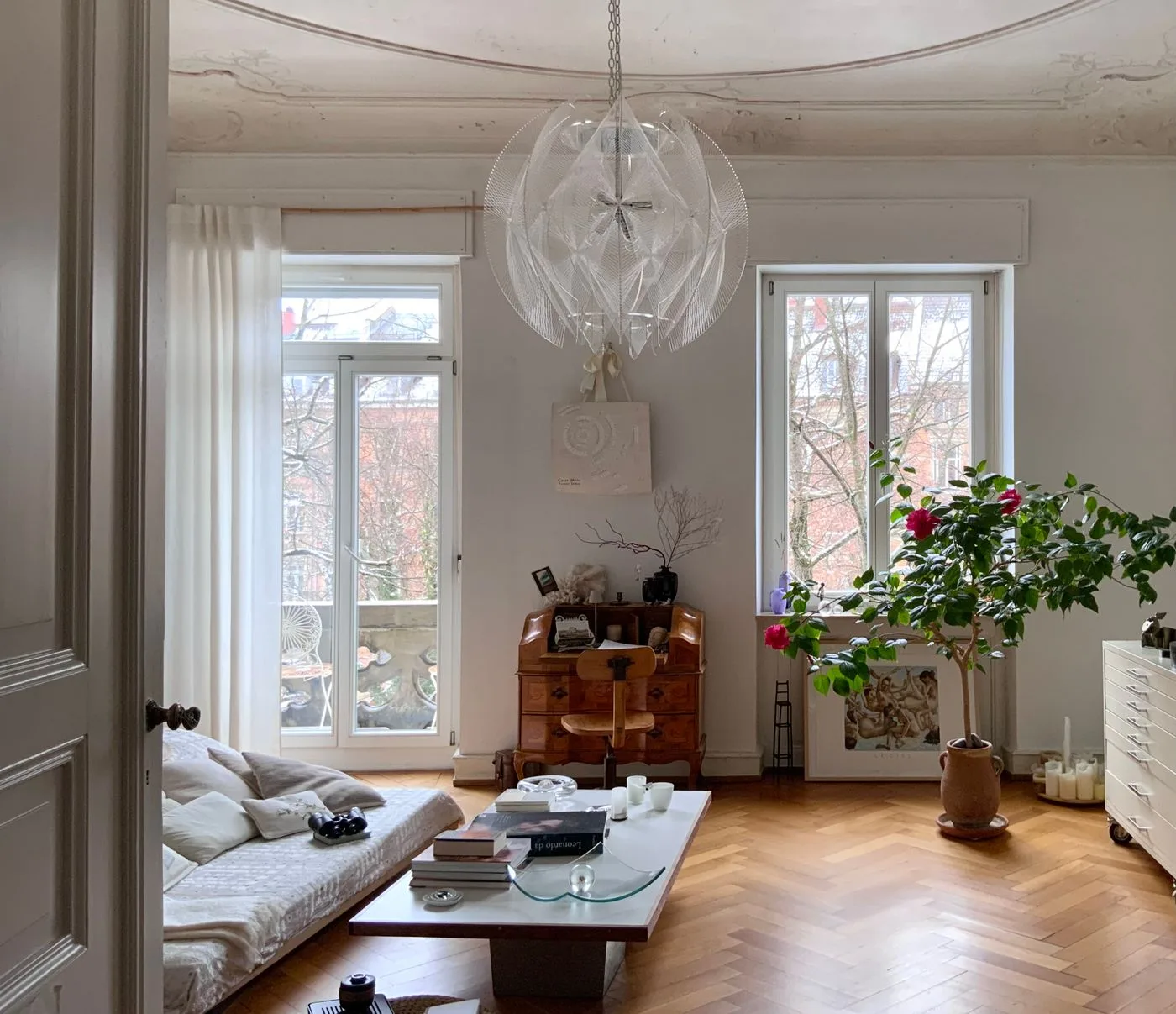
A living room can look generously furnished online and still be awkward at six o'clock, when someone is carrying dinner through it and another person wants to stretch out. The useful starting point is the room's busiest ordinary evening. Decide where people walk, where they sit, and what they put down before choosing a sofa shape or a rug color. A smaller number of well-sized pieces usually creates more possibilities than a collection of compact pieces that all require floor space.
Map the paths before the furniture
Mark the door swing, the route to the kitchen, and any window you open regularly. Include a radiator, floor vent, or closet door that cannot be covered. Use painter's tape to represent furniture on the floor, then walk through carrying a laundry basket. This simple exercise reveals whether a layout works better than looking at a floor plan alone. Also check the route from the building entrance to the room; a sofa that fits its destination may not clear a narrow turn on delivery day.
Begin with the sofa because it establishes both circulation and the main view. Compare overall depth as carefully as width. A deep seat may be comfortable for curling up but can leave little space between seating and a media unit. Tall arms and bulky backs consume visual and physical room without increasing usable seating. If different household members sit upright and lounge, removable cushions can offer flexibility, but they are another item to move and store.
Choose the right second surface
The next purchase does not have to be a conventional coffee table. Think about what happens during a typical evening: two mugs, a laptop, a board game, or dinner in front of a movie. Those activities demand different surfaces.
| Your everyday use | Surface to consider | The compromise |
|---|---|---|
| Drinks and a remote | One stable side table | Less room for sharing snacks |
| Games or puzzles | A broad coffee table | More permanent floor coverage |
| Occasional visitors | Nesting tables | Small tables may separate or tip easily |
| Feet up most evenings | Ottoman with a suitable tray | Soft upholstery is not a firm desk |
Round corners can make a tight route feel easier, but a circular table is not automatically smaller. Tape the widest diameter on the floor. For a lift-top table, check the open position and the direction of the mechanism. A convenient laptop height is not useful if the lifted top blocks your knees or the walkway.
Let the rug connect the seats
A rug should help the seating read as one area. A tiny rug floating in front of the sofa can emphasize the leftover floor around it. Compare a size that reaches beneath the front feet of the main seating with the room's actual boundaries. Keep access to doors and ensure the pile does not interfere with a door's swing. If chairs must slide, a lower pile is generally easier to live with than a plush surface that catches their legs.
Color does not need to disappear into the walls. A medium-tone, lightly patterned rug may be more forgiving of crumbs and ordinary wear than a very pale solid. Buy a pad suitable for both the rug and your floor finish, following their care instructions. Do not assume every rubber backing is appropriate for every wood or vinyl floor.
Spend on the part you touch daily
Prioritize the sofa's sitting comfort, a stable table, and a rug you can maintain. Decorative pillows can wait. Ask whether a cover is removable, then check whether it is actually washable; these are different claims. Review the return process before ordering large furniture, including packaging requirements and any collection costs.
Skip a matching furniture set unless every piece earns its place. A full set can be visually consistent yet force an extra chair into the path. Also skip storage furniture that is difficult to open once installed. Drawers and hinged tops need working space, not just a footprint.
Questions that come up in real rooms
Should all the furniture sit against the walls?
Not necessarily. A small gap can accommodate curtains or cords, and a chair angled toward the sofa can improve conversation. Test the position without buying anything first. Keep floor lamps and their cords out of the walking route.
Is a sectional better than a sofa and chair?
A sectional offers continuous lounging space but fixes the layout more firmly. A sofa and movable chair often adapt better to an irregular room. Compare usable seats, not just the number promised in a product name.
What is the first purchase to make?
If existing seating is comfortable, start with layout changes. Buy only the missing piece that solves a repeated problem. A correctly sized table may improve daily life more than replacing everything around it.
Explore your options
Use these retailer collections to compare current choices. Check the exact dimensions, materials, care instructions, delivery costs, and return terms before ordering.
Browse sofas and sectionals
Consider it for: Compare overall depth, arm width, and delivery dimensions.
Keep in mind: A fixed chaise limits future layouts.
Browse retailer options ↗Browse coffee tables
Consider it for: Compare stable surfaces against your taped floor plan.
Keep in mind: Open drawers and lift tops require extra clearance.
Browse retailer options ↗Sources & further reading
Editorial information and linked destinations reviewed October 6, 2026. Product ranges and specifications can change. Send a correction or a question.
A little more inspiration
More Home ↗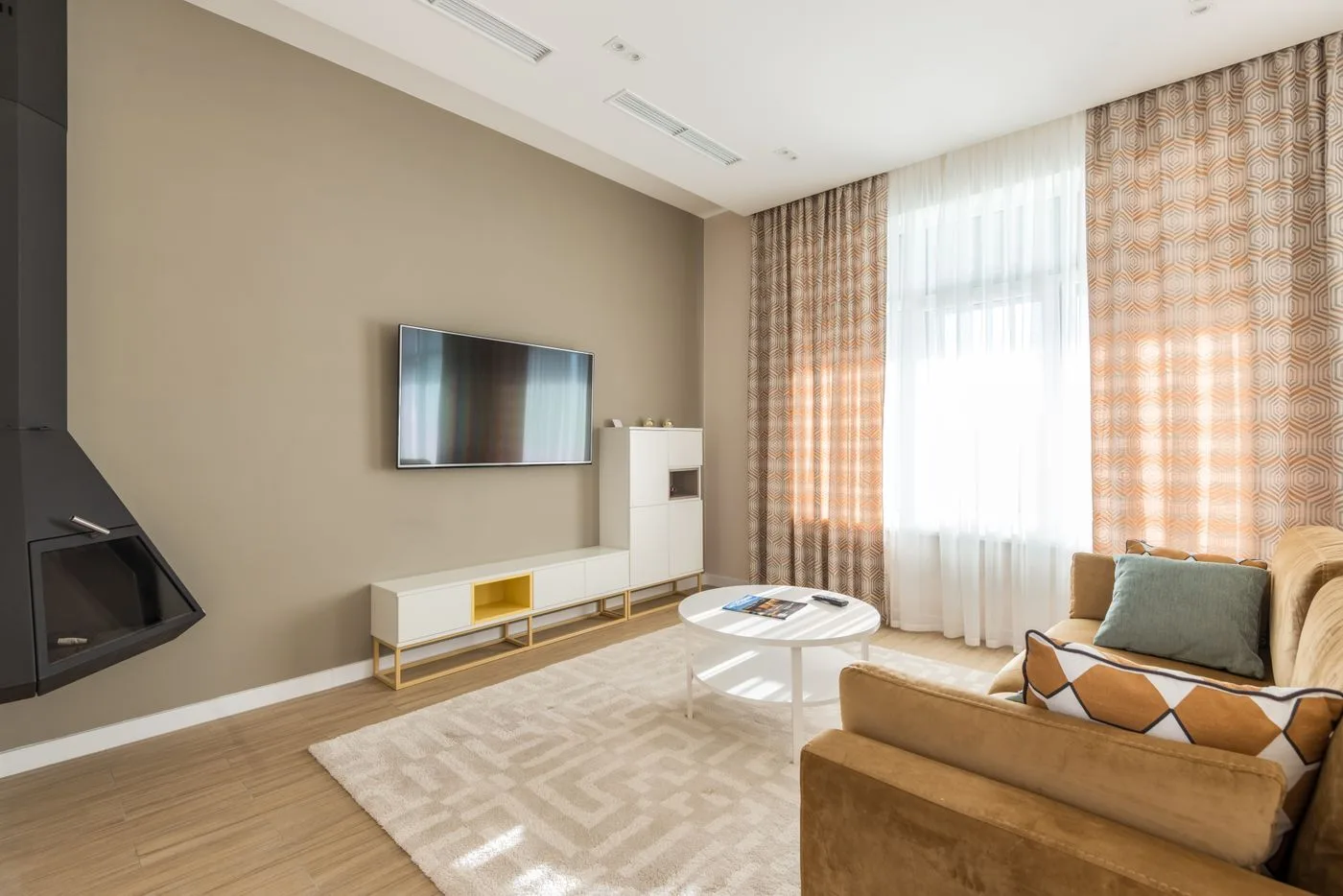
Choose a Living Room Rug You Can Actually Live With
A guide to rug size, pile, pattern, and care for households with crumbs, pets, and everyday traffic.
4 MIN READ
Curtains That Welcome Daylight and Give You Privacy
Plan a window treatment around morning light, evening privacy, hardware, and everyday opening.
4 MIN READ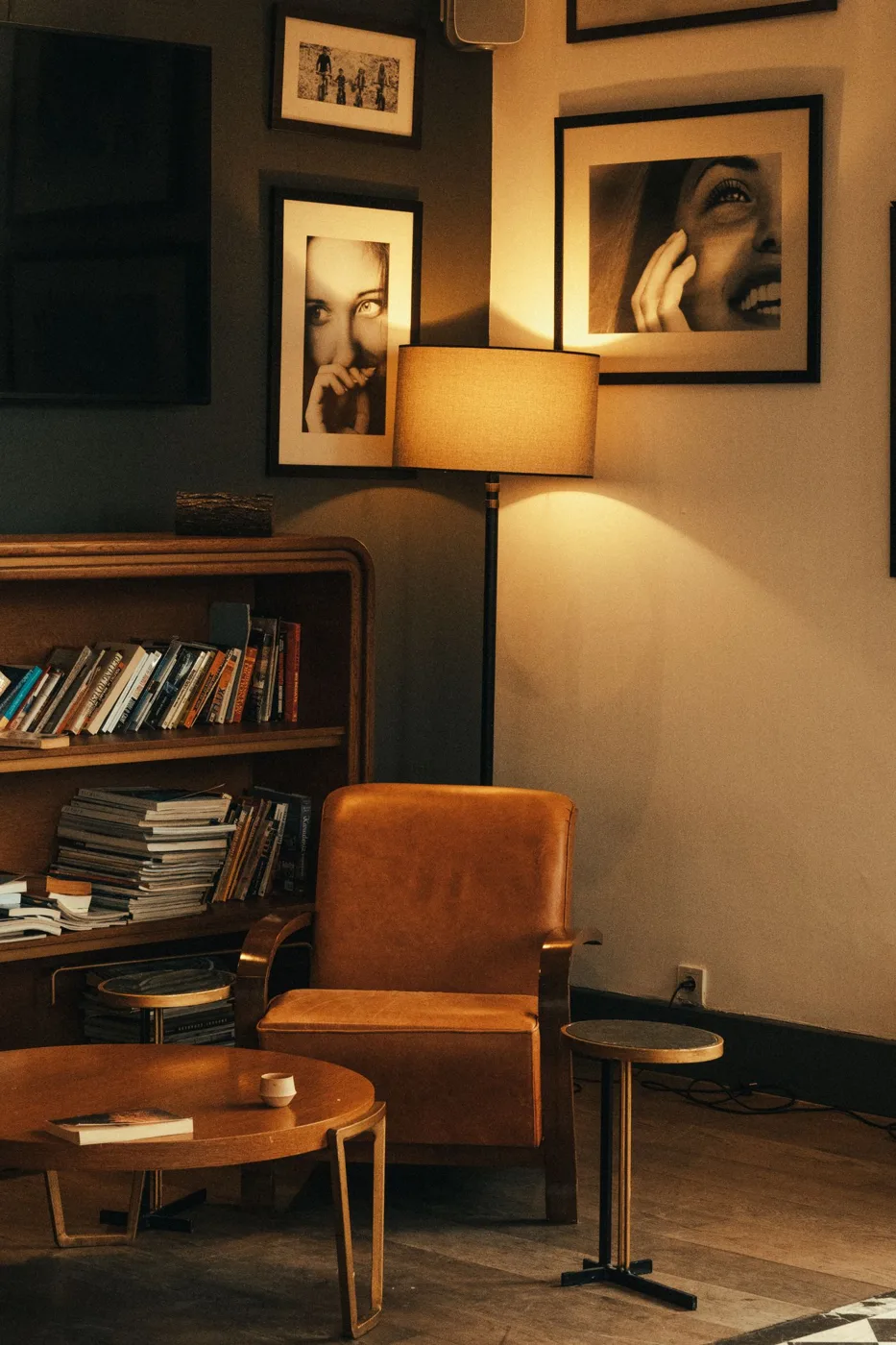
A Softer Evening Room Starts With Better Lamp Placement
Use a few well-placed lamps to make reading, conversation, and winding down easier after sunset.
4 MIN READ