
Your First Raised Bed: Spend on the Setup, Then the Extras
Choose a reachable raised bed, plan water access, and avoid buying more garden than you need.
Our guides explain practical buying considerations; they do not represent hands-on product tests. The shopping links below are ordinary retailer links and currently do not earn us a commission. How our links work.
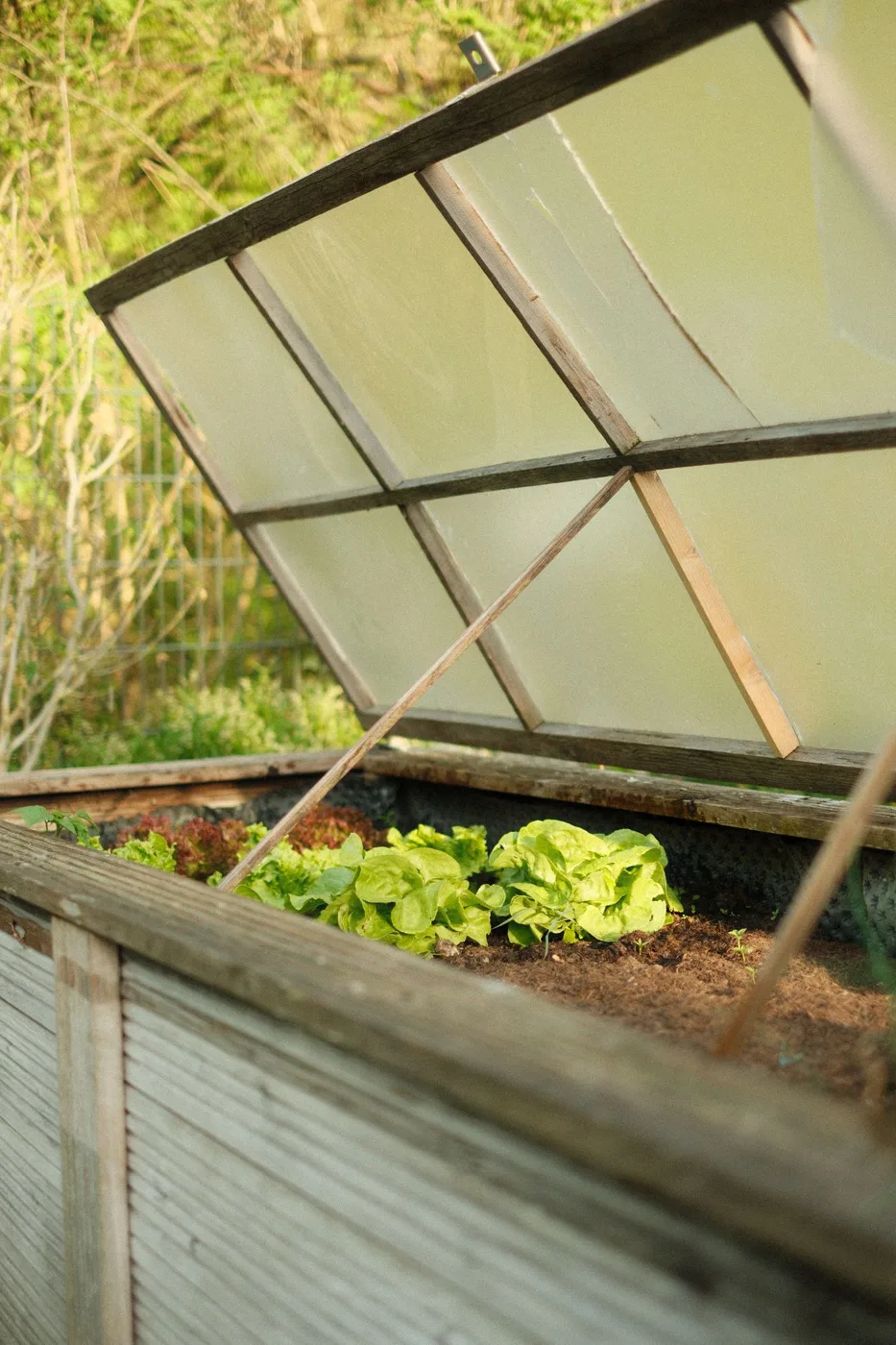
The appeal of a raised bed is easy to understand: a defined space, a fresh start, and vegetables close to the kitchen. The expensive mistake is ordering a large kit before deciding where it will go and how you will fill it. A successful first bed starts with a manageable footprint and a realistic plan for soil, water, and access.
Choose a spot you can care for
Observe sunlight and choose crops that fit the exposure. Fruiting vegetables and leafy crops can have different needs, so consult crop-specific guidance rather than treating every vegetable as interchangeable. Place the bed where you can reach the water source without dragging a hose through the house. Convenience matters when seedlings need close attention or a dry spell arrives during a busy week.
Look at drainage after rain. A low spot that stays wet is not automatically fixed by putting a frame on it. Understand the existing site before adding soil. If you suspect contaminated ground, seek local extension guidance about testing and the appropriate growing setup. A raised frame by itself is not proof that the growing environment is safe.
Plan paths before choosing dimensions. You should be able to tend the center without routinely stepping into the bed. Access from one side requires a different width from access on all sides. Use a tape measure and mark the footprint with string or cardboard, then walk around it with a watering can.
Compare wood, metal, and elevated designs
Wood has an approachable appearance and can be repairable, but material, construction, and exposure influence its life. Check what the lumber is and whether it is suitable for the intended use. Do not use unknown salvaged wood simply because it is free. Its previous treatment may be unclear.
Metal kits can arrive in compact boxes and create crisp edges. Inspect how corners join, whether exposed edges are finished, and how the manufacturer addresses assembly and contact safety. The number of panels does not tell you whether the filled structure will remain stable. Follow anchoring or support instructions rather than improvising a taller configuration.
An elevated planter provides a higher working surface and can suit someone who wants less bending. It also holds a finite volume of mix and places substantial weight on its legs or base. Check the load capacity, drainage, and suitability for the surface underneath. An elevated box is not interchangeable with an open-bottom bed resting on soil.
Budget for what fills the frame
Calculate the volume before checkout and compare it with the supplier's actual bag sizes or bulk delivery units. Soil and amendments can cost as much as, or more than, a simple frame. Allow for delivery access: a bulk pile on the driveway still needs to reach the backyard.
Use a growing blend appropriate to the bed type and seek local guidance on soil preparation. Do not fill a deep structure with arbitrary debris merely to reduce the bill. Materials can settle, alter drainage, or introduce unwanted substances. Likewise, fertilizer is not a substitute for understanding the soil. A local soil test can provide a more useful starting point than a shelf of supplements.
Start with crops your household eats and that suit the season. A few well-spaced plants are easier to manage than a crowded assortment bought on impulse. Follow mature spacing guidance even when young plants make the bed look sparse. Temporary empty space is part of the plan.
Buy additions only when the plan needs them
A trellis makes sense for a chosen climbing crop if it is installed securely and positioned to avoid unwanted shade. Row covers have specific uses and need appropriate support and ventilation. A decorative arch may be enjoyable, but it should not consume the budget for water access and healthy soil.
Keep a basic hand tool and a way to harvest nearby. A kneeling pad can help at a ground-level bed if it suits your comfort needs. Consider a simple drip arrangement after you understand the layout, and inspect it regularly rather than treating a timer as a complete care system.
First-bed questions
Is a deeper bed always better?
Depth should fit the crops, underlying conditions, and your budget. More depth means more fill and potentially more structural load. Choose for the actual growing plan, not the most dramatic product photograph.
Should I buy two beds at once?
One manageable bed lets you learn the site's sun, pests, and watering demands. Add another when the first routine works. Expansion is easier than caring for several neglected beds.
What is the best place to spend extra?
Spend on sound construction, appropriate fill, and comfortable access. Those choices affect every gardening session. Matching decorative corners can wait until the growing system earns its place.
Explore your options
Use these retailer collections to compare current choices. Check the exact dimensions, materials, care instructions, delivery costs, and return terms before ordering.
Raised beds and garden supplies at Target
Consider it for: Browse bed styles, then compare full dimensions and fill requirements.
Keep in mind: Assembly, soil, and delivery can add to the purchase cost.
Browse retailer options ↗Garden beds and growing supplies at Walmart
Consider it for: Compare bed materials and gardening supplies for a manageable first plot.
Keep in mind: Check the seller, materials, and individual product instructions.
Browse retailer options ↗Sources & further reading
Editorial information and linked destinations reviewed October 6, 2026. Product ranges and specifications can change. Send a correction or a question.
A little more inspiration
More Garden ↗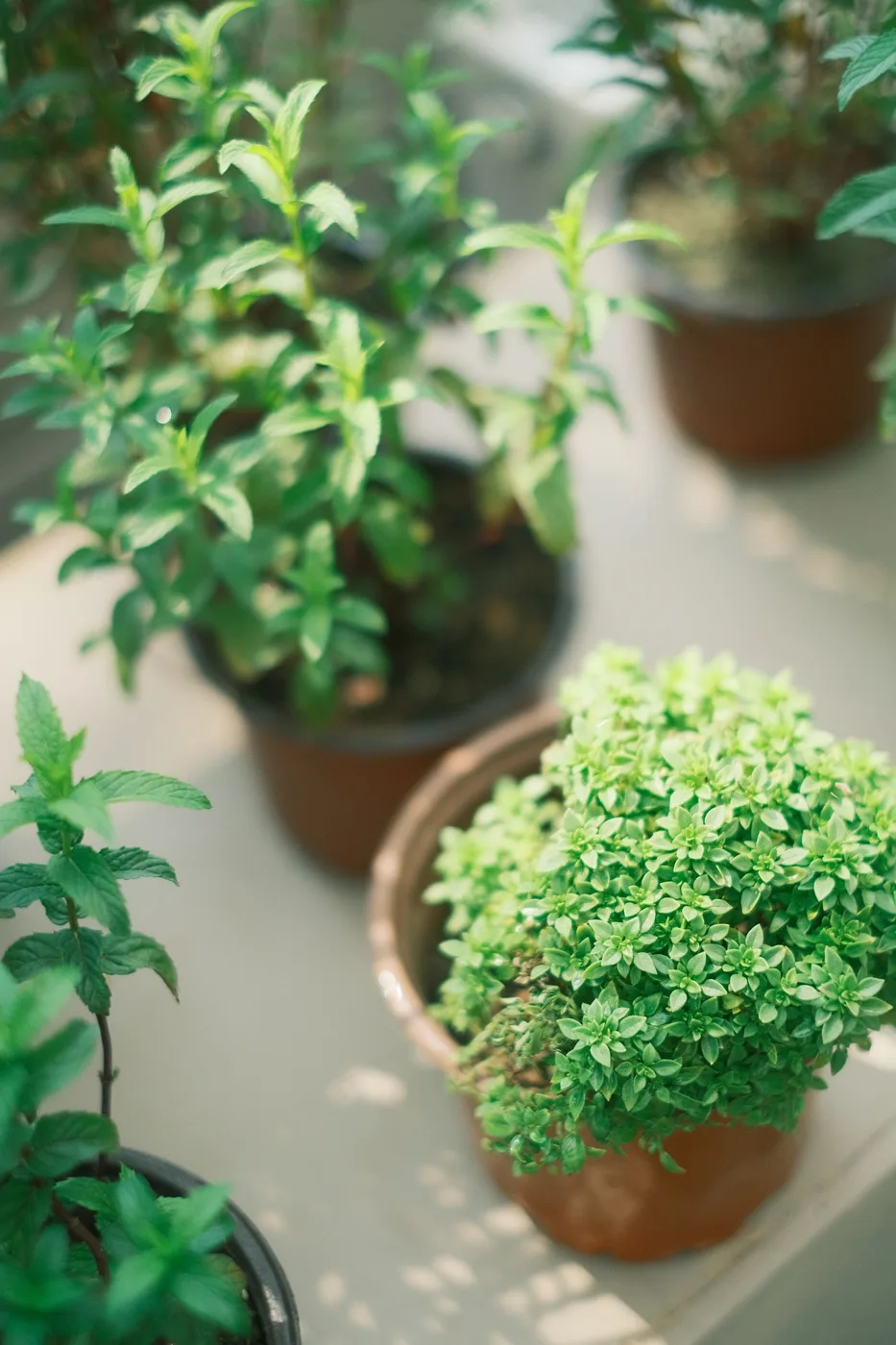
A Balcony Herb Garden That Fits Real Life
Choose useful herbs, manageable pots, and a watering setup for a balcony you actually use.
4 MIN READ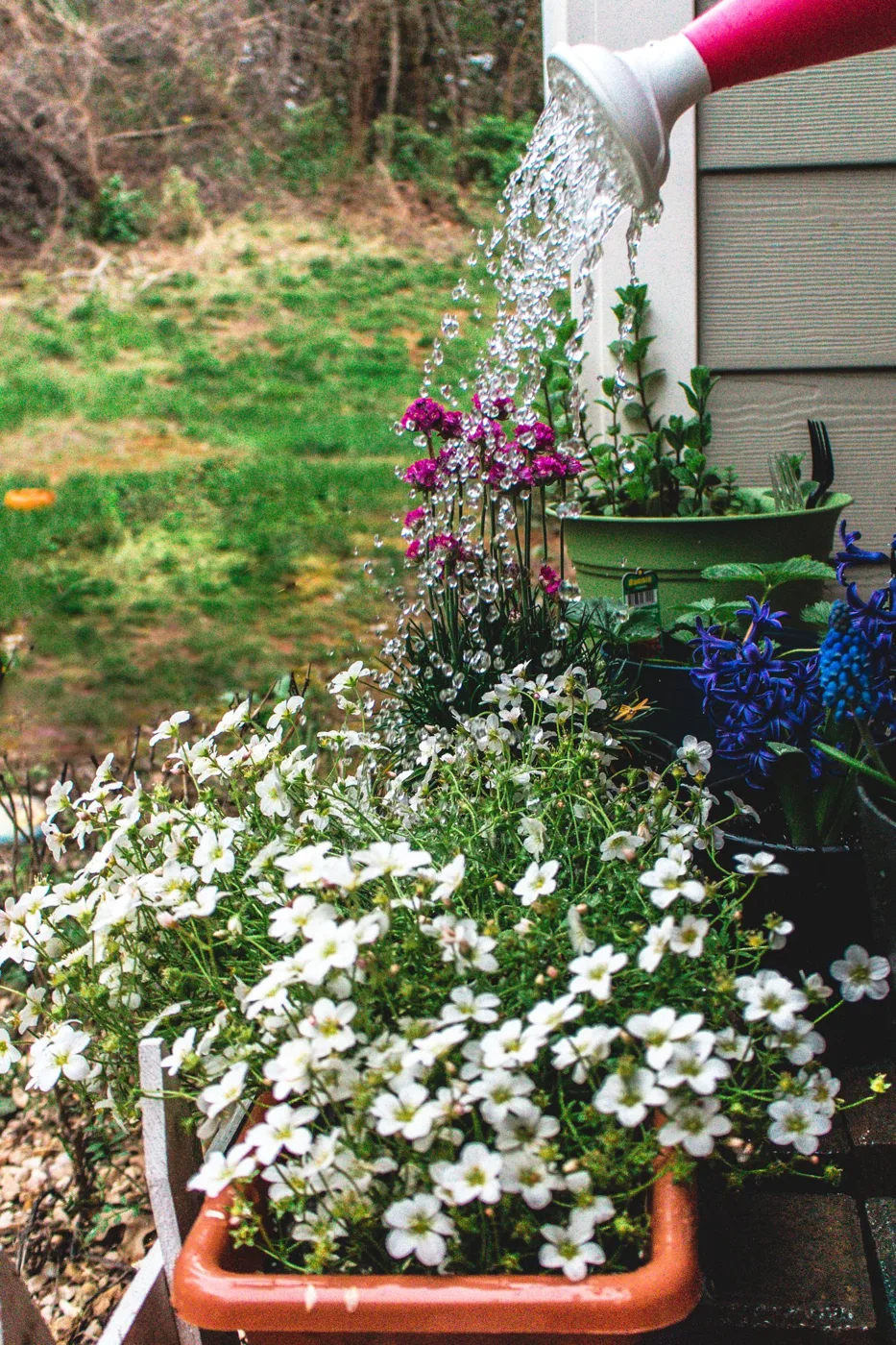
Terracotta, Plastic, or Glazed Pots? Choose for Your Patio
Match planter materials to sun, watering habits, moving weight, and winter storage.
4 MIN READ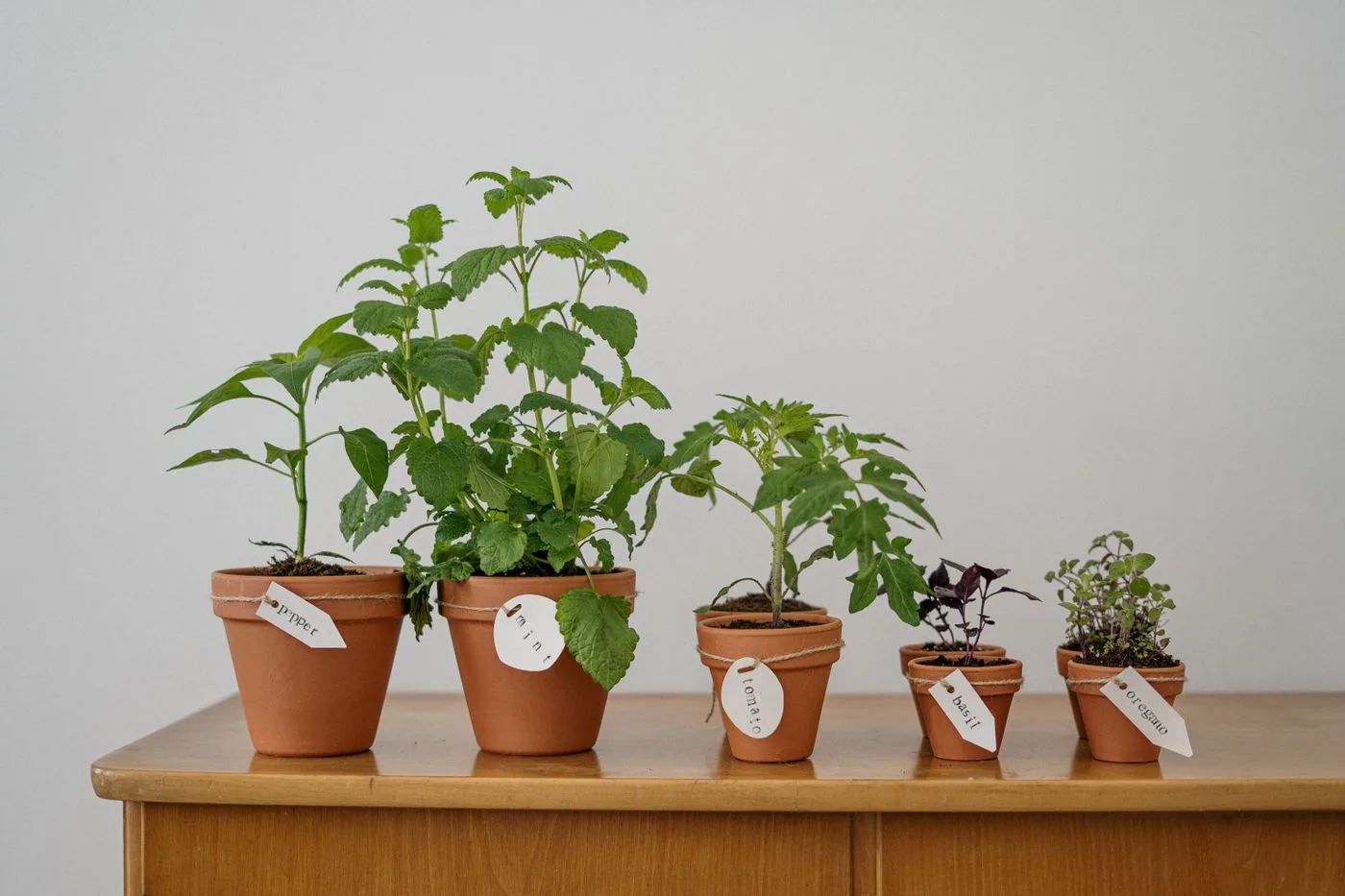
How to Choose Indoor Plants for the Light You Actually Have
Build a small houseplant collection around windows, care habits, and useful container choices.
4 MIN READ