
Where to Put a Mirror in a Small Room
Make a mirror earn its wall space by considering reflections, proportions, installation, and glare.
Our guides explain practical buying considerations; they do not represent hands-on product tests. The shopping links below are ordinary retailer links and currently do not earn us a commission. How our links work.
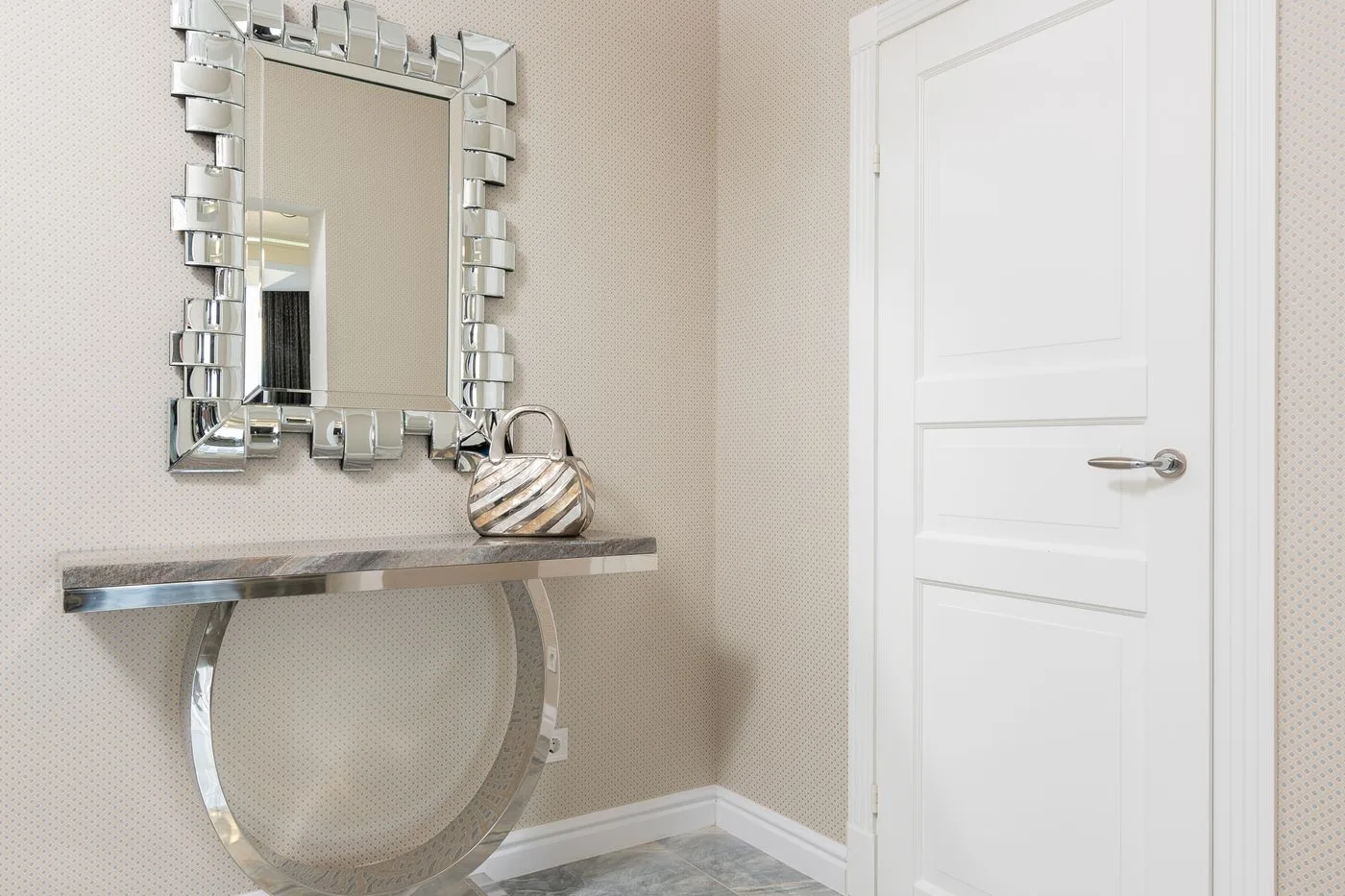
A mirror can change the feeling of a small room, but the result depends on what it reflects. Placing one on the only empty wall may double a pleasant window view, or it may double a crowded countertop and a bright ceiling bulb. Treat the reflection as another composition inside the room. Before choosing a shape, look from the doorway, the sofa, and the place where you sit most often.
Start with the reflected view
Use a small mirror you already own to explore possible positions. It will not show the full effect of a larger piece, but it can reveal whether the angle catches daylight, clutter, or glare. Ask someone to hold it safely while you look from different positions, or test with a lightweight object without attempting a temporary unsafe installation.
A mirror near a window can reflect available light, yet it cannot replace a lamp. Direct reflection of strong sunlight may also be uncomfortable at particular times. Observe the room across the day rather than judging only at noon. If a television or work monitor is nearby, check whether the new reflection creates a distraction on its screen.
Match the proportion to the wall
Measure the furniture and wall area beneath or around the mirror. A tiny mirror above a long sofa may look accidental; an enormous one can dominate a small room. There is no single mandatory ratio. Tape an outline on the wall to see the visual mass before ordering. Include the frame width, because a thick frame can make the reflective area much smaller than the outer measurements suggest.
Round mirrors can soften a group of rectangular furniture, while rectangular mirrors may align more naturally with doors and windows. The choice is mainly about the composition you want. Do not assume a round mirror creates more space or a frameless one is automatically easier to maintain. Edges, mounting systems, and surface access still matter.
| Intended use | A sensible starting point | Check before buying |
|---|---|---|
| Quick check near the door | A practical height and clear view | Door swing and safe mounting |
| More visual depth in a living room | A reflection of a calm area | Glare from lamps or windows |
| Full-length dressing | A view that includes the needed area | Secure installation and floor clearance |
| Decorative focal point | A frame that relates to the room | Overall weight and wall support |
Installation is part of the product
Read the supplied mounting instructions before purchase if they are available. Determine the mirror's weight, the required fixing points, and whether suitable hardware is included. The wall material matters. Drywall, masonry, and other surfaces may require different anchors and methods. If you are uncertain, use a qualified installer rather than improvising with hardware intended for a much lighter object.
A floor mirror shown leaning in a photograph may still require anchoring. This is especially important in a busy household or a room used by children or pets. Do not treat a heavy object resting at an angle as stable simply because it has not moved yet. Follow the manufacturer's securement guidance and keep the area around it clear.
Coordinate the light around it
A mirror above a console often sits near a table lamp. Check the reflection from seated eye level; an exposed bulb reflected at that height can be unpleasant. A shade that conceals the bulb and diffuses light may create a calmer result. Move the lamp before deciding the mirror itself is wrong.
The same principle applies in a bedroom. If you can see a bright hallway light in the mirror while lying down, its position may interfere with winding down. A slightly different wall or height could solve the problem without buying a different size.
Buy for one clear reason
A mirror that serves a daily dressing task may justify more wall space than one purchased only because a room feels unfinished. Spend on the size, installation quality, and frame you actually need. Skip elaborate decorative shapes if they reduce the useful reflective area for your intended task. Multiple small mirrors can be attractive, but they also create more edges to clean and more mounting points.
Can I use a mirror in a humid room?
Only choose one that the manufacturer considers suitable for that environment. A product intended for a dry living room should not automatically be moved into a steamy bathroom.
Should the frame match every metal in the room?
Exact matching is optional. A repeated finish can create order, but wood and painted frames also work with mixed metals. Compare the finish beside nearby hardware in the room's actual light.
What if the mirror reflects clutter?
First try changing the angle or location. If the reflection is unavoidable, solve the clutter source. A larger reflective surface will not make an overfilled shelf feel simpler.
Explore your options
Use these retailer collections to compare current choices. Check the exact dimensions, materials, care instructions, delivery costs, and return terms before ordering.
Browse wall and full-length mirrors
Consider it for: Compare reflective area, weight, and installation instructions.
Keep in mind: A large mirror needs suitable support and can amplify glare.
Browse retailer options ↗Browse shaded table lamps
Consider it for: Coordinate the reflected light with the chosen mirror position.
Keep in mind: A reflected bare bulb can be uncomfortable at eye level.
Browse retailer options ↗Sources & further reading
- Browse wall and full-length mirrors — merchant selection
- Browse shaded table lamps — merchant selection
Editorial information and linked destinations reviewed October 6, 2026. Product ranges and specifications can change. Send a correction or a question.
A little more inspiration
More Home ↗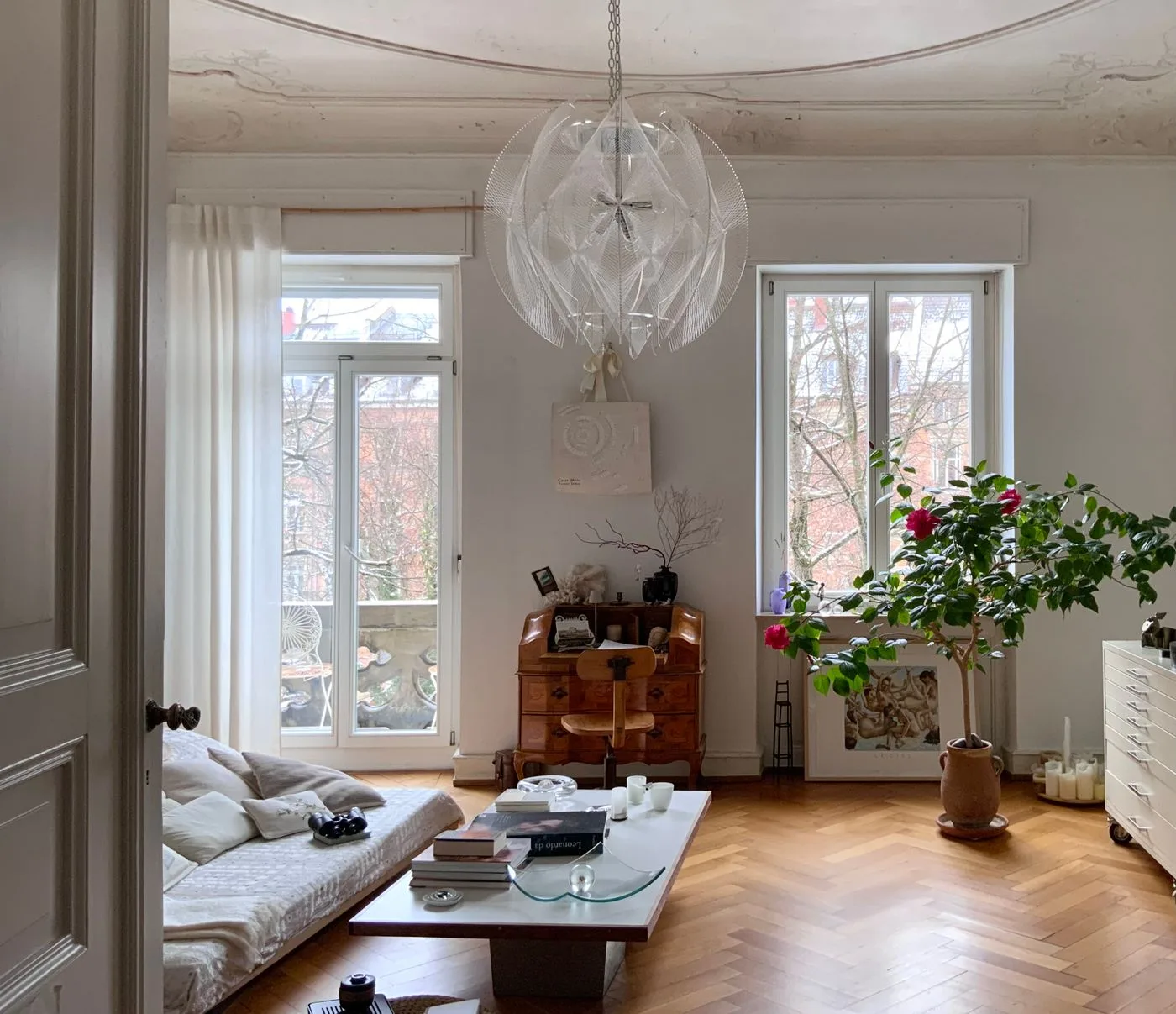
A Small Living Room That Works Beyond the Photo
Make room for conversation, a cup of coffee, and the path to the kitchen with a practical small-room furniture plan.
4 MIN READ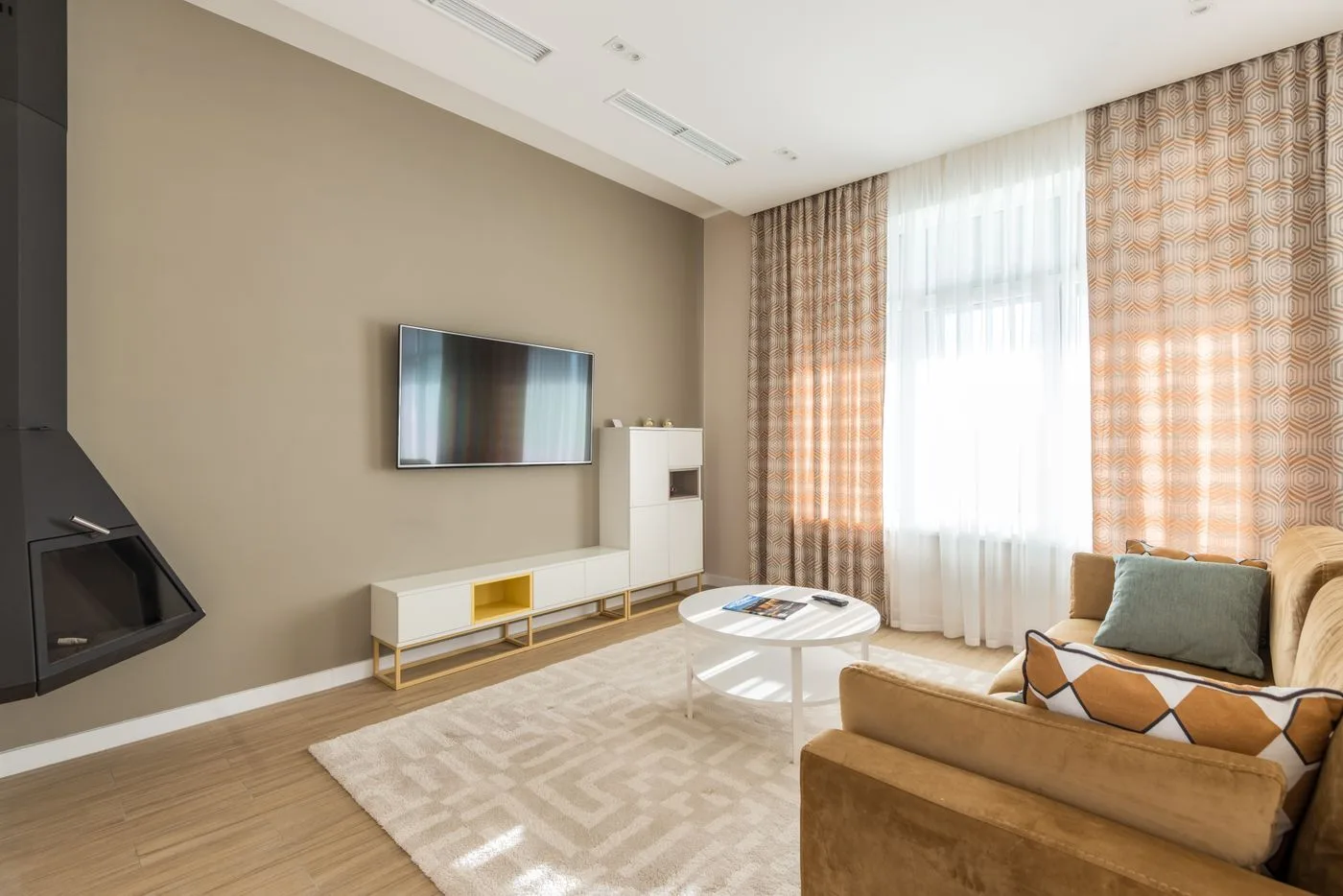
Choose a Living Room Rug You Can Actually Live With
A guide to rug size, pile, pattern, and care for households with crumbs, pets, and everyday traffic.
4 MIN READ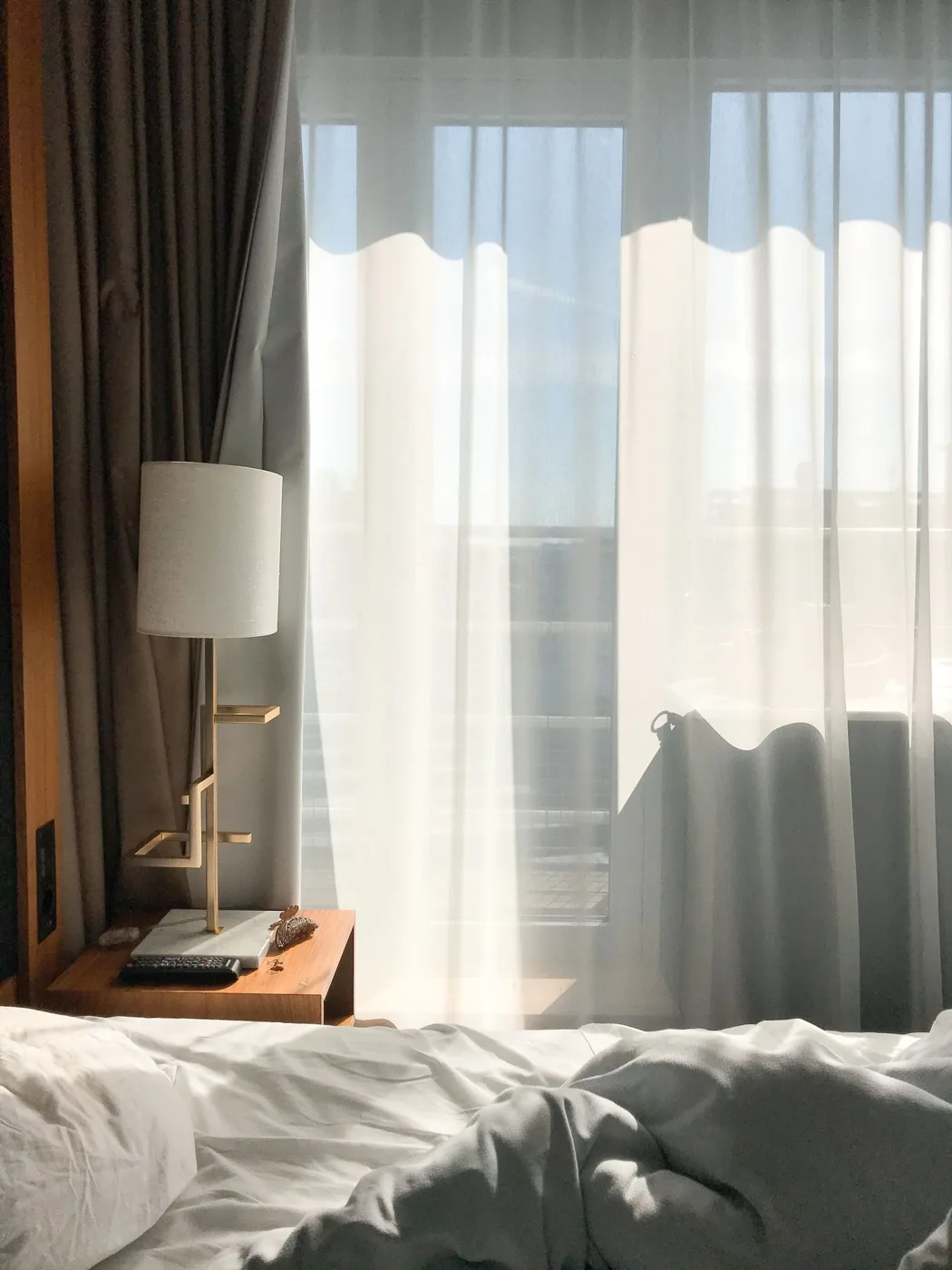
Curtains That Welcome Daylight and Give You Privacy
Plan a window treatment around morning light, evening privacy, hardware, and everyday opening.
4 MIN READ