
The Everyday Mug Is a Small Purchase Worth Getting Right
Compare handles, capacity, material, storage, and reheating needs for coffee and tea at home.
Our guides explain practical buying considerations; they do not represent hands-on product tests. The shopping links below are ordinary retailer links and currently do not earn us a commission. How our links work.
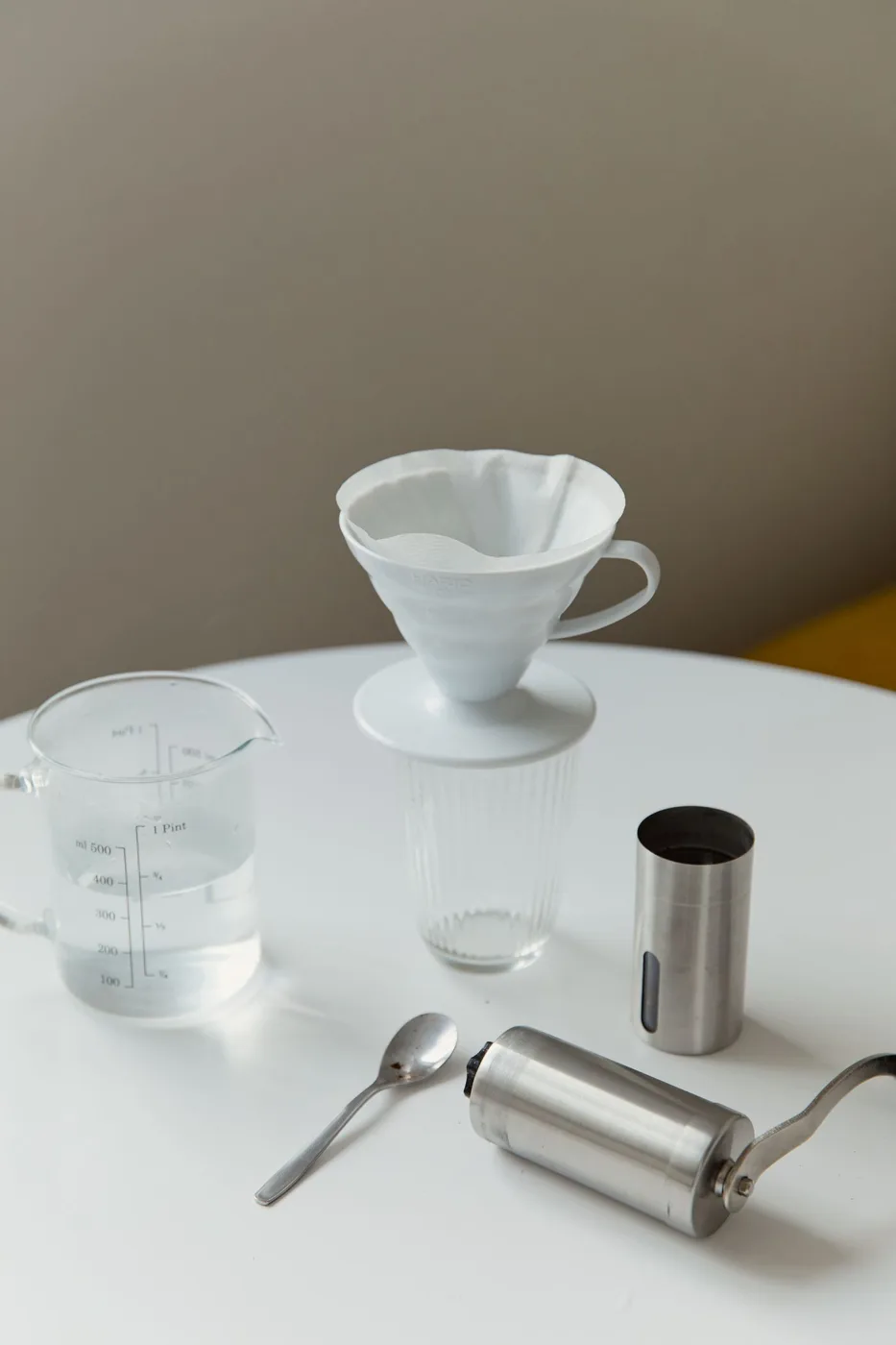
The mug you use every morning spends more time in your hand than many larger kitchen purchases. Its handle, weight, rim, and capacity can make a small but repeated difference. A beautiful mug that feels awkward when full will probably migrate to the back of the cabinet. Choose around the drink you make and the place you drink it, then enjoy the color or shape that makes it yours.
Buy for your actual serving
Consider the amount you normally pour, including milk or other additions. A large mug can leave a small coffee cooling in a broad pool, while a very small one can make a generous tea serving awkward. Capacity is useful, but it does not tell the whole story. Compare the width, height, and usable headroom rather than filling every cup to its advertised maximum.
If you use a coffee machine, measure the available clearance and check whether the drip tray changes it. A tall mug may fit only after removing a part you would rather leave in place. For tea, consider whether your infuser fits securely and whether the handle remains accessible with the infuser installed.
Pay attention to the handle
Look at the opening, shape, and where it joins the body. A narrow loop can be uncomfortable for larger fingers, while a small decorative handle may require pinching. The mug's balance changes when filled. If possible, handle a comparable shape before ordering a full set. Weight that feels substantial while empty can become tiring with a large drink.
Some people prefer handleless cups, but hot drinks require an appropriate design and careful handling. Do not assume a thick-looking wall or a stylish sleeve guarantees a comfortable exterior temperature. Follow the product's intended use and consider the person who will hold it.
| Morning routine | Detail to prioritize | Tradeoff |
|---|---|---|
| Small coffee at the table | Comfortable rim and suitable capacity | A very large mug may feel unnecessary |
| Tea with an infuser | Opening and infuser fit | A narrow shape may be restrictive |
| Reheating during work | Explicit microwave suitability | Decorations or materials may limit use |
| Compact cabinet | Stable stackability if designed for it | Stacking can chip unsuitable rims |
Read material and care information together
Ceramic, porcelain, glass, and insulated metal cups offer different experiences, but the material name alone does not guarantee dishwasher or microwave compatibility. Decorations, glazes, lids, and construction can change the instructions. Check the exact item rather than generalizing from another mug you own.
Metal vessels are not ordinary microwave options. Double-wall glass or ceramic products may also have specific care restrictions. If reheating is part of your routine, confirm it before buying. Do not treat a mug as oven-safe simply because it can hold a hot drink.
Consider the place where it rests
A desk mug should have a stable base and enough room away from electronics. An open mug is not a spill-proof travel container, even if it includes a loose lid. If you carry drinks through a busy home or commute, choose a product specifically designed for that use and check its closure claims. The best kitchen mug and the best bag-carried cup may be different purchases.
Coasters can protect some surfaces, depending on the furniture finish, but they should not make the cup unstable. Test the combination on the table where it will be used. A narrow pedestal base may be attractive yet less forgiving of a bump than a wider footprint.
Build a collection that fits the shelf
Count the mugs you regularly use before buying a coordinated set. A few comfortable everyday pieces plus a reasonable number for guests may be enough. Large sets can crowd a cabinet and make unloading the dishwasher more difficult. If replacement availability matters, look for a continuing collection rather than assuming a seasonal pattern will remain available.
Mixed mugs can feel personal and welcoming. A shared color family or similar height can keep the shelf visually calm without requiring uniformity. Avoid stacking mugs unless their design supports it; improvised towers can chip rims or fall when one is removed.
What to skip
Skip novelty shapes with hard-to-clean corners if they will be used daily. Skip a tiny handle chosen only for appearance. Avoid paying extra for vague claims about temperature retention without a clear explanation of the construction and intended use. A simple mug that fits your hand and routine can be an excellent choice.
Should I buy matching saucers?
Only if you use them. A saucer can hold a spoon and catch drips at the table, but it adds another item to wash and store. For a desk routine, a practical coaster may serve you better.
Is a lid useful at home?
It may help keep debris out or slow cooling, depending on the design. Check whether it is vented, how it is cleaned, and whether it is meant for drinking or merely covering. Do not assume a cover makes the mug leakproof.
Explore your options
Use these retailer collections to compare current choices. Check the exact dimensions, materials, care instructions, delivery costs, and return terms before ordering.
Browse mugs and cups
Consider it for: Compare handle openings, dimensions, and stated care compatibility.
Keep in mind: Large sets can crowd storage without improving daily use.
Browse retailer options ↗Browse kitchen and table textiles
Consider it for: Choose practical table protection and everyday cloths.
Keep in mind: A decorative textile may need more care than expected.
Browse retailer options ↗Sources & further reading
Editorial information and linked destinations reviewed October 6, 2026. Product ranges and specifications can change. Send a correction or a question.
A little more inspiration
More Kitchen ↗
Choose an Everyday Skillet Around What You Cook
Compare stainless steel, cast iron, and nonstick for weeknight meals, cleanup, and storage.
4 MIN READ
The Cutting Board That Fits Your Kitchen and Your Routine
Choose a prep board around usable space, washing, knife care, and the food you cook.
4 MIN READ
Food Containers That Make Leftovers Easier to Use
Build a manageable storage collection around portions, visible food, lids, and the way you reheat.
4 MIN READ