
Pantry Bins or Matching Canisters? Choose by How You Cook
Decide what deserves a canister, what should stay in its original package, and how to make pantry space easier to use.
Our guides explain practical buying considerations; they do not represent hands-on product tests. The shopping links below are ordinary retailer links and currently do not earn us a commission. How our links work.
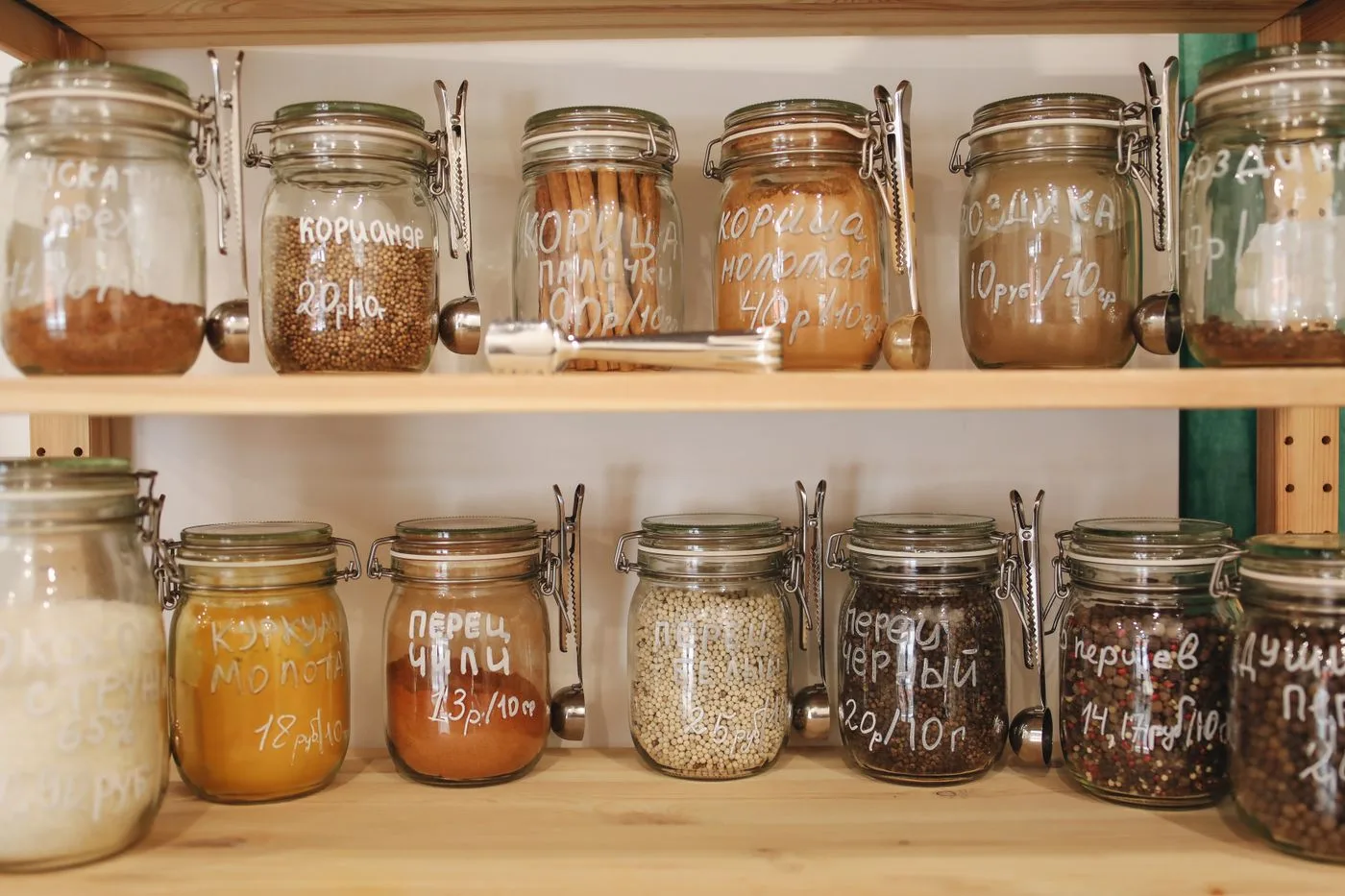
A pantry should help dinner happen before everyone gets hungry. That can mean matching canisters, but it can also mean a simple bin holding half-open pasta boxes and sauce packets. The right system depends on how quickly food rotates, how it is packaged, and who needs to find it. Start with the meals you cook most often rather than the appearance of a perfectly filled shelf.
Follow one week of meals
Notice which ingredients leave the pantry repeatedly and which sit behind them. If oatmeal, rice, and flour appear every week, dedicated containers may reduce daily friction. If your household changes cereal brands often or buys a wide variety of grains, flexible bins may handle the changing packages more naturally. Measure shelf height and depth after removing expired food and items you no longer use.
Keep instructions, ingredient information, and allergy details available when transferring food. Label containers with the contents and relevant dates, and preserve package information when needed. Do not pour a new purchase over old remnants without checking condition and cleaning the container appropriately. An attractive label cannot replace the food manufacturer's storage directions.
The comparison that matters
| Storage choice | Works especially well for | What you give up |
|---|---|---|
| Open pantry bin | Packets, bars, changing package sizes | Contents can become a jumble without a small limit |
| Clear canister | Frequently used dry staples | Refilling, washing, and labeling add maintenance |
| Original packaging on a riser | Cans and jars with useful labels | Shelf depth still needs planning |
A bin groups a task; a canister changes the package. These are different jobs. Keep baking decorations in a carry-out bin if they travel to the counter together. Give flour its own container only when the opening accommodates your scoop and the volume suits your buying habits. There is little benefit in needing both a full canister and a half-empty original bag for every purchase.
Buy by usable size, not a set count
Compare container capacity with the package you normally buy, allowing space for practical scooping rather than filling to the rim. Check whether the lid needs clearance to lift straight upward. Square containers can use shelf width efficiently, but tight corners may be harder to reach when washing. Wide mouths often matter more than a sophisticated closure for foods used every day.
For bins, consider a front handle that you can grip from the shelf. A tall lip keeps packets contained, yet it can obscure shorter items. Clear plastic makes inventory visible; an opaque basket looks quieter but needs a reliable label. If food directly touches a container, confirm that the manufacturer identifies it as suitable for that use. A general-purpose storage box is not automatically a food-storage container.
Make the back row reachable
Deep shelves invite duplicate purchases because the back disappears. Put backup items behind their open equivalents or create a separate, clearly marked refill area. Use a riser only if the upper row remains easy to see and retrieve. Pull-out bins can help, but a heavy bin full of jars may be awkward at shoulder height. Store heavier goods where they can be lifted comfortably.
Reserve one small section for use-soon ingredients. Choose an actual dinner around that section rather than repeatedly rearranging it. A pantry inventory need not become a spreadsheet; a short note on your phone may be enough for expensive or frequently duplicated staples. The system should save attention during shopping, not demand a second administrative routine.
Where spending rarely helps
Skip a large matching set until you know which sizes you need. Tiny containers can create a surprising number of separate lids to wash. Decorative labels are useful only when readable in the real light inside the pantry. Avoid buying additional containers to accommodate food you do not expect to use. Space regained through a smaller inventory is easier to maintain than a shelf packed with organizational products.
Common pantry questions
Should everything be airtight? Follow the food's storage requirements. A closed container may be appropriate for many dry staples, while grouping unopened packets in a bin does not require an additional sealed enclosure.
Can I use glass? Yes, when the weight, breakage risk, and shelf location suit the household. Plastic may be easier for children or high shelves, provided it is intended for food contact.
What is the best starting point? Organize one frequently used shelf with existing containers. Buy the missing size after living with that arrangement; the gap will be much clearer than it was in an empty shopping cart.
Explore your options
Use these retailer collections to compare current choices. Check the exact dimensions, materials, care instructions, delivery costs, and return terms before ordering.
Pantry bins and shelf storage
Consider it for: Compare bins that group ingredients used together and pull forward easily.
Keep in mind: A full bin of jars can become too heavy to retrieve from a high shelf.
Browse retailer options ↗Kitchen organization bins and containers
Consider it for: Compare food-suitable containers and flexible pantry organization formats.
Keep in mind: Canisters add refilling and washing; confirm food-contact suitability individually.
Browse retailer options ↗Sources & further reading
Editorial information and linked destinations reviewed October 6, 2026. Product ranges and specifications can change. Send a correction or a question.
A little more inspiration
More Organization ↗
A Small Entryway That Handles the Everyday Drop
Build a workable landing spot for shoes, keys, bags, and incoming mail without giving up the hallway.
4 MIN READ
Under-Sink Storage That Works Around the Plumbing
Choose caddies, adjustable shelves, and compact bins without blocking shutoff valves or hiding leaks.
4 MIN READ
A Linen Closet Organized for the People Who Use It
Create useful zones for sheets, towels, and guest bedding with fewer bins and clearer labels.
4 MIN READ