
Build a Reading Corner You Will Use on a Tuesday Night
Choose the light, seat, and small surface that make a quiet corner comfortable in everyday life.
Our guides explain practical buying considerations; they do not represent hands-on product tests. The shopping links below are ordinary retailer links and currently do not earn us a commission. How our links work.
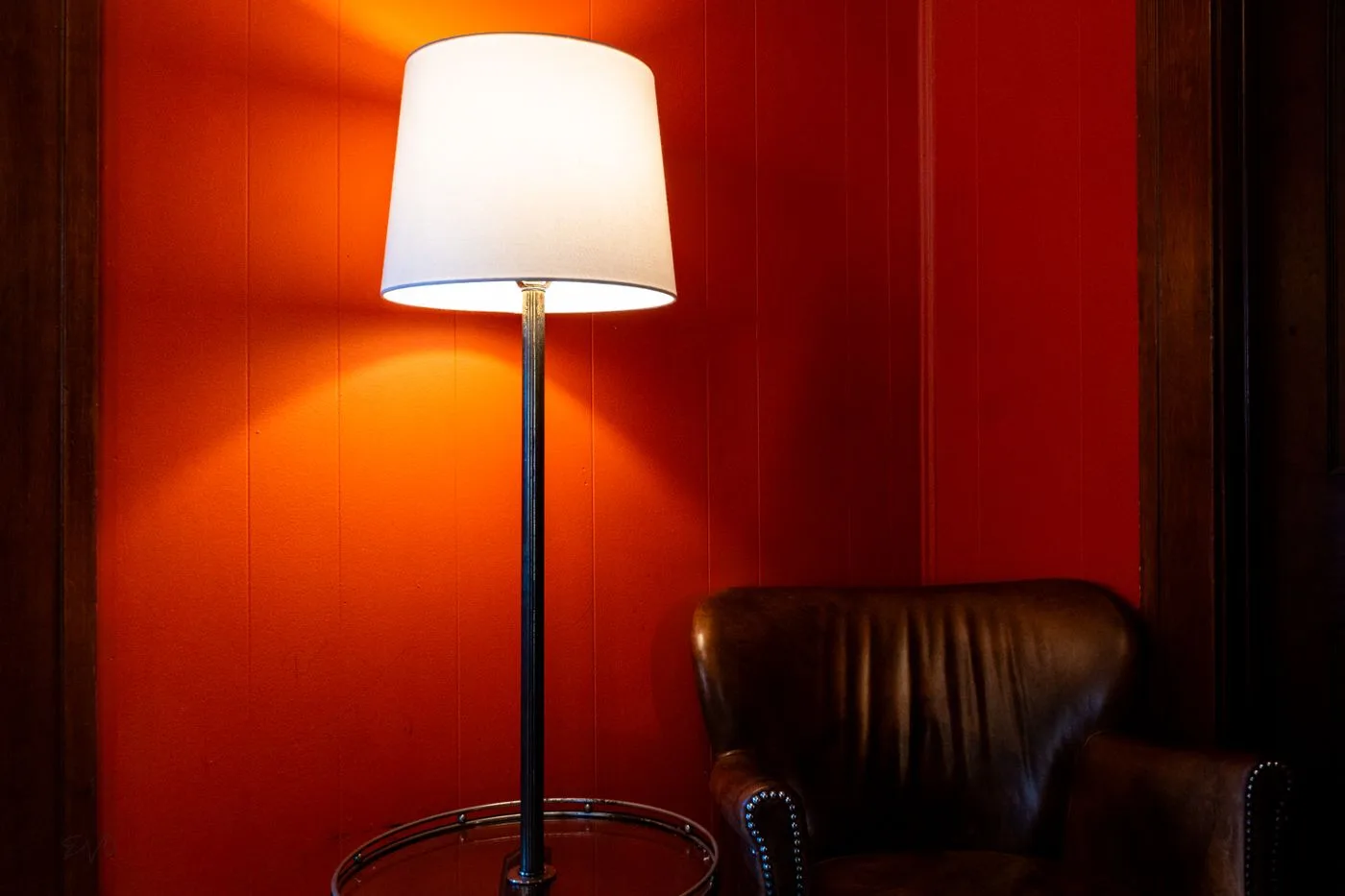
A reading corner does not need a room of its own or a dramatic armchair. It needs a seat you want to stay in, light that reaches the page, and a place for a drink. The best location may be beside an existing sofa rather than in the empty corner that looks most photogenic. Start with the time you expect to read. Morning daylight and a winter evening create very different requirements.
Choose the location by interruption
Sit in the proposed spot for a few minutes at the usual reading hour. Listen for the television, the dishwasher, and people passing through. Notice whether the chair faces a busy doorway or a calmer view. A corner can feel enclosed and pleasant, but it can also be the coldest part of the room or directly beside a heating vent. Comfort depends on those ordinary details.
If you share the space, define a light-touch boundary. A lamp and a small table can make the seat feel intentional without blocking circulation. Avoid surrounding it with tall storage simply to create a nook. A space that feels private in a photograph can become cramped when someone needs to walk behind it.
Assess the seat you already own
Before ordering a chair, try adjusting your current seating. A firmer cushion behind the lower back or a different seat position may solve the problem. Check whether your feet rest comfortably and whether the arm height allows relaxed shoulders. A deep lounge chair suits some bodies and reading positions but can leave others perched near the front.
When buying, compare usable seat depth and height as well as overall dimensions. Upholstery choices should reflect actual use. A cover that can be removed is not necessarily machine washable. Read care instructions and return terms before committing to a large piece that is difficult to send back.
Put the light where the page needs it
A lamp slightly behind and to one side can illuminate a book without placing a bright bulb directly in your eyes. The ideal position depends on the shade and the way you sit. Test with a temporary lamp, then adjust its distance and direction. If you read on a tablet, check for reflections on the screen as well as light on the page.
Choose a shade and output appropriate for the task. A small decorative lamp may create atmosphere without enough useful reading light. A directed lamp can work well for one chair but leave the surrounding room very dark. Some gentle background illumination may feel more comfortable than an isolated bright patch.
| Reading habit | Detail to prioritize | Likely compromise |
|---|---|---|
| Paperback before bed | Comfortable local light | A bright exposed bulb may be distracting |
| Large books or magazines | Support for arms and elbows | A compact chair may feel narrow |
| Tablet reading | Control over reflections | Window placement may need adjustment |
| Shared family room | Easy access and movable pieces | Less acoustic separation |
Keep the side surface simple
A small stable table should hold the objects you actually use: a mug, glasses, and the current book. It does not need to display every book you hope to read. Check that you can reach it without twisting far or leaning over a fragile lamp. If children or pets use the area, pay particular attention to stability and exposed edges.
A basket can hold a throw, but only add one if the throw is regularly used. Extra storage tends to invite extra objects. Leave some clear space so the corner is ready when you have ten minutes, rather than requiring a cleanup before every reading session.
Make it inviting through texture, not clutter
One cushion with a comfortable cover can be enough. A blanket should suit the room's temperature and be easy to fold or hang. A rug may help define the spot, but its edge should not sit exactly where feet land when standing up. Check that moving the chair will not pull the rug into a fold.
Skip a complete coordinated set bought for the image of a reading corner. The useful elements can come from different places. Prioritize comfort and lighting, then let the visual connection come from a repeated color or a simple finish.
Is a window essential?
No. Daylight is pleasant when available, but many people read after sunset. A quiet interior location with good lighting can be more useful than a beautiful window beside constant activity.
What should I buy first?
If your seat is comfortable, start with the lamp or the missing small table. Change one thing and use the corner for several evenings. That experience will tell you more than an entire cart of accessories.
Explore your options
Use these retailer collections to compare current choices. Check the exact dimensions, materials, care instructions, delivery costs, and return terms before ordering.
Browse lamps for a reading corner
Consider it for: Compare shade direction, controls, and available task light.
Keep in mind: Atmospheric light may not illuminate a page well.
Browse retailer options ↗Browse cushion covers
Consider it for: Adjust support and texture with one useful cushion.
Keep in mind: Too many cushions reduce usable seat depth.
Browse retailer options ↗Sources & further reading
Editorial information and linked destinations reviewed October 6, 2026. Product ranges and specifications can change. Send a correction or a question.
A little more inspiration
More Home ↗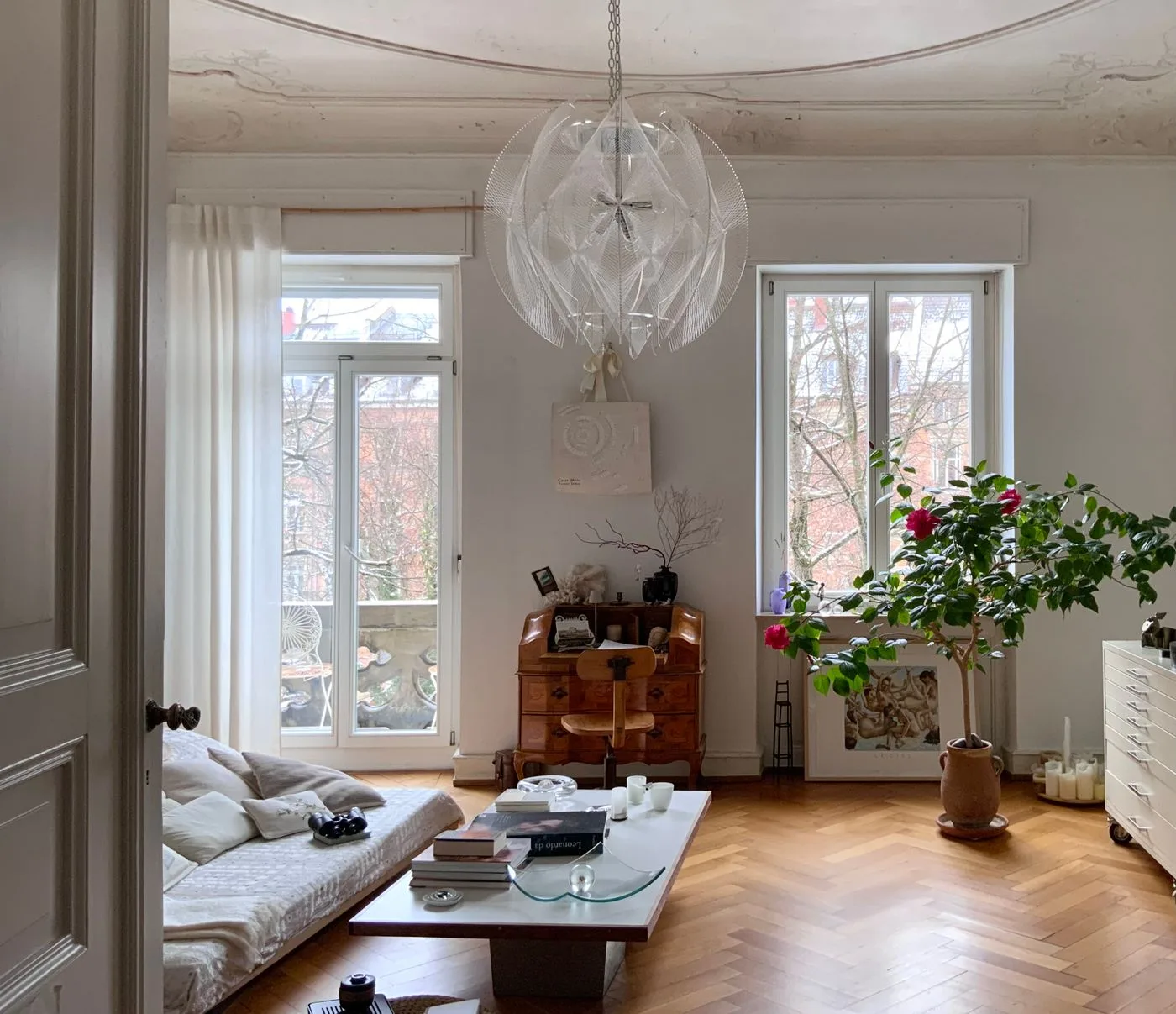
A Small Living Room That Works Beyond the Photo
Make room for conversation, a cup of coffee, and the path to the kitchen with a practical small-room furniture plan.
4 MIN READ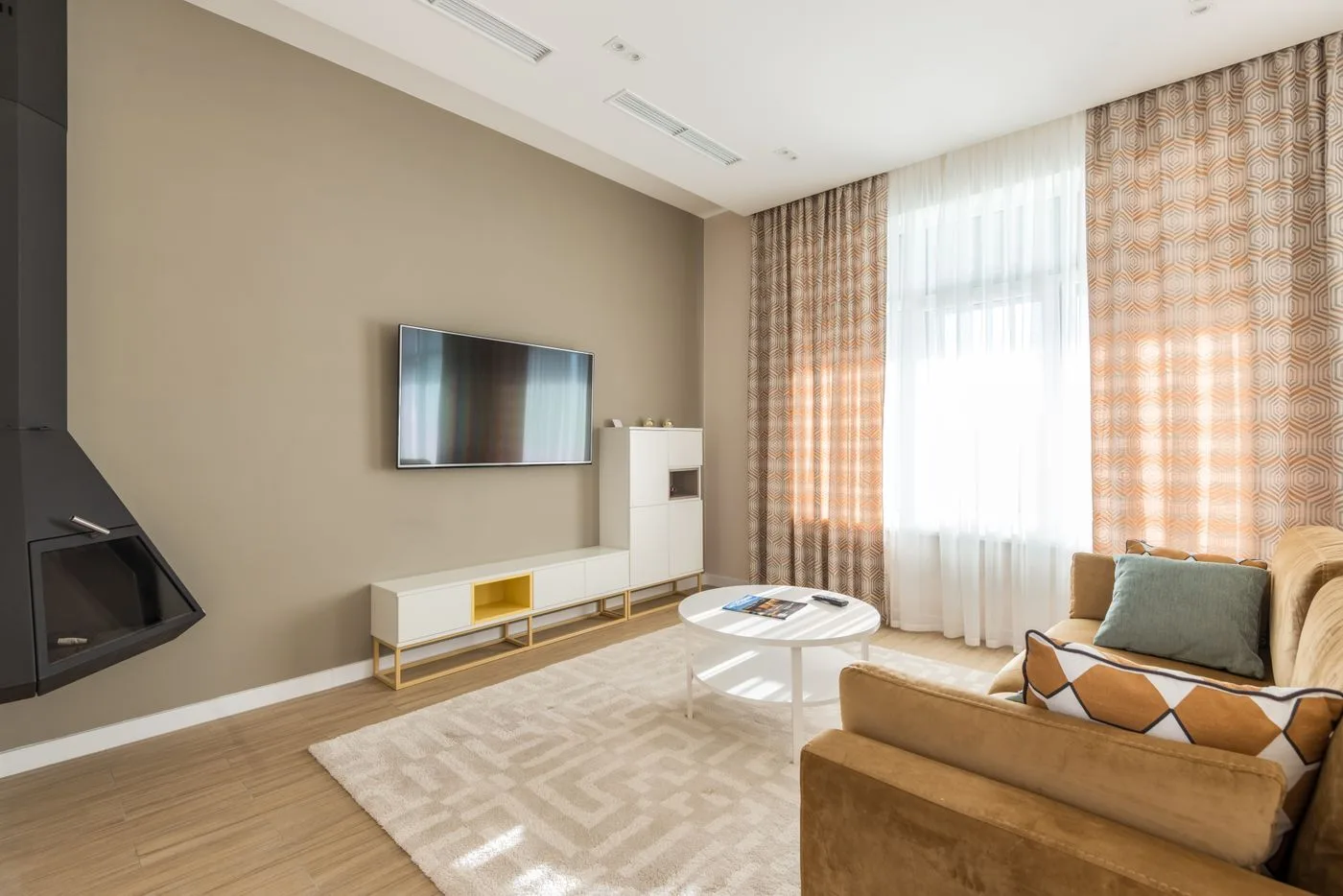
Choose a Living Room Rug You Can Actually Live With
A guide to rug size, pile, pattern, and care for households with crumbs, pets, and everyday traffic.
4 MIN READ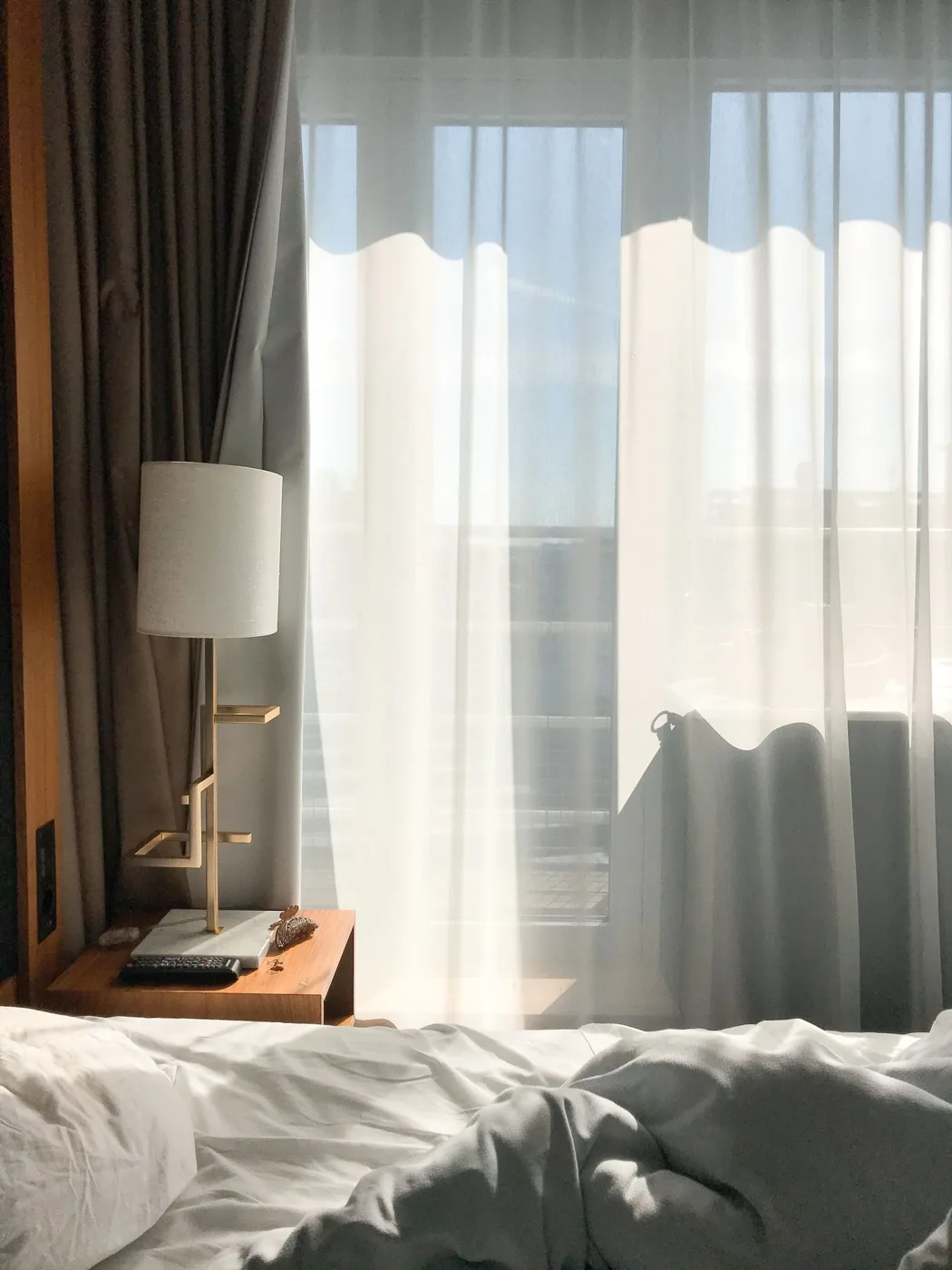
Curtains That Welcome Daylight and Give You Privacy
Plan a window treatment around morning light, evening privacy, hardware, and everyday opening.
4 MIN READ