
Start Seeds Without Turning Your Home Into a Greenhouse
A modest seed-starting setup built around timing, usable space, and plants worth growing.
Our guides explain practical buying considerations; they do not represent hands-on product tests. The shopping links below are ordinary retailer links and currently do not earn us a commission. How our links work.
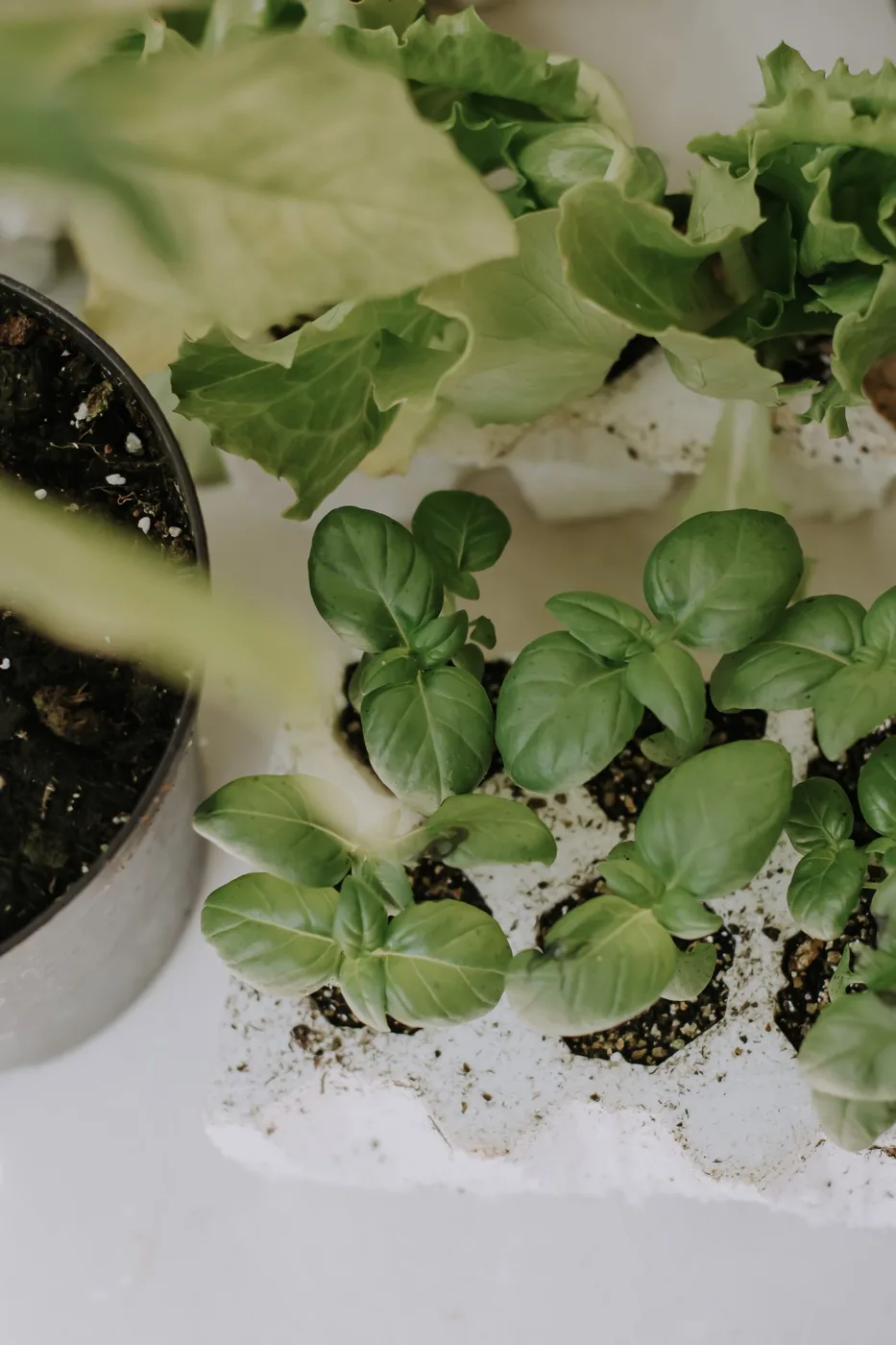
Seed starting can begin with a few trays and quietly expand into every sunny surface in the house. The way to keep it useful is to work backward from the plants you want outdoors. Before ordering equipment, choose a small crop list, find the correct local sowing window, and count the seedlings you have room to grow on.
Start with the calendar and the destination
Read the seed packet and consult local extension guidance for your region. Starting much earlier does not necessarily produce a better transplant. Plants can outgrow their indoor space before outdoor conditions are suitable. Some crops are simpler to sow directly outside, so indoor equipment is not automatically the right investment for every packet.
Decide how many finished plants the garden can support. If your bed holds a modest number of tomatoes, a tray of dozens may create a potting and lighting problem rather than savings. Allow for reasonable losses without sowing everything you own. Label each variety and sowing date as you work; similar seedlings are difficult to identify later.
Find the place where trays can remain undisturbed. A dining table used nightly is a poor long-term nursery unless the entire setup can move safely. Consider water protection, electrical access if lights are needed, and whether children or pets can reach the plants and supplies.
Choose trays for handling, not just cell count
Small cells save space at the germination stage but may require earlier transplanting. Larger individual pots take more room from the start and can be easier to handle separately. Look for drainage, a sturdy support tray, and containers that can be cleaned or appropriately reused. Thin trays may become awkward when full of damp mix.
A clear humidity cover can help under the conditions specified for the seed, but it is not a permanent lid. Follow germination guidance and remove or vent it when appropriate. Leaving seedlings enclosed without considering airflow can create an unsuitable environment. A cover is a tool for one stage, not proof that the tray is self-managing.
Use a seed-starting medium suited to the plants and follow its directions. Keep the original package information available. Garden soil dug from the yard may bring different drainage, texture, and pest issues into a small indoor container.
Decide whether lighting is the limiting factor
A bright-looking windowsill may not provide the light required for strong seedlings. If you use a grow light, choose one intended for the task and follow its guidance for distance, duration, and coverage. Do not assume a decorative desk lamp is equivalent. A timer can make a suitable lighting schedule easier to maintain, but plants still require observation.
Check how the light will be supported as the plants grow. Adjustable hanging points or a stable shelf system can be more useful than a fixed fixture at an awkward height. Keep electrical connections away from watering spills, and use equipment in accordance with its safety instructions.
Heat mats are crop- and condition-dependent. Buy one only if the seeds need warmer germination conditions than your space provides, and follow the mat and thermostat instructions. A warm mat is not a substitute for the right light after germination.
Keep the daily routine small
Check moisture without automatically soaking the tray on a schedule. Seedlings and growing media differ, and the room's temperature and airflow affect drying. Water gently using a method appropriate to the containers. Drain excess water rather than allowing trays to become a standing reservoir unless the system is designed for that use.
Record what you actually sowed and what emerged. A short note on a label or a simple paper list is sufficient. You do not need a complex tracking system to discover that one tray size or planting date worked better for your home.
Before moving plants outside permanently, follow crop-appropriate hardening-off guidance. Indoor seedlings need a gradual transition to outdoor sun, wind, and temperature. Plan that process around your schedule, because carrying trays in and out is a real part of the work.
Questions before ordering a kit
Is a large starter kit better value?
Only if the components fit the crops and space. Extra trays have little value if you lack suitable light or an outdoor destination. A smaller setup can reduce waste and make care more reliable.
Can household containers work?
They may work if they are clean, suitable for the task, stable, and provided with appropriate drainage. Avoid containers with unknown residues. Purpose-made trays often offer easier handling and more predictable dimensions.
What should a beginner grow first?
Choose a small number of plants you enjoy and research their particular sowing requirements. Success with one manageable tray is more useful than an impressive indoor collection that becomes difficult to transplant.
Explore your options
Use these retailer collections to compare current choices. Check the exact dimensions, materials, care instructions, delivery costs, and return terms before ordering.
Seed-starting supplies at Target
Consider it for: Compare tray dimensions with your shelf and planned plant count.
Keep in mind: A tray kit may not include suitable lighting or growing medium.
Browse retailer options ↗Garden and growing supplies at Walmart
Consider it for: Compare starter supplies and supporting tools for a modest seed collection.
Keep in mind: Check tray dimensions and whether lights or medium are included.
Browse retailer options ↗Sources & further reading
Editorial information and linked destinations reviewed October 6, 2026. Product ranges and specifications can change. Send a correction or a question.
A little more inspiration
More Garden ↗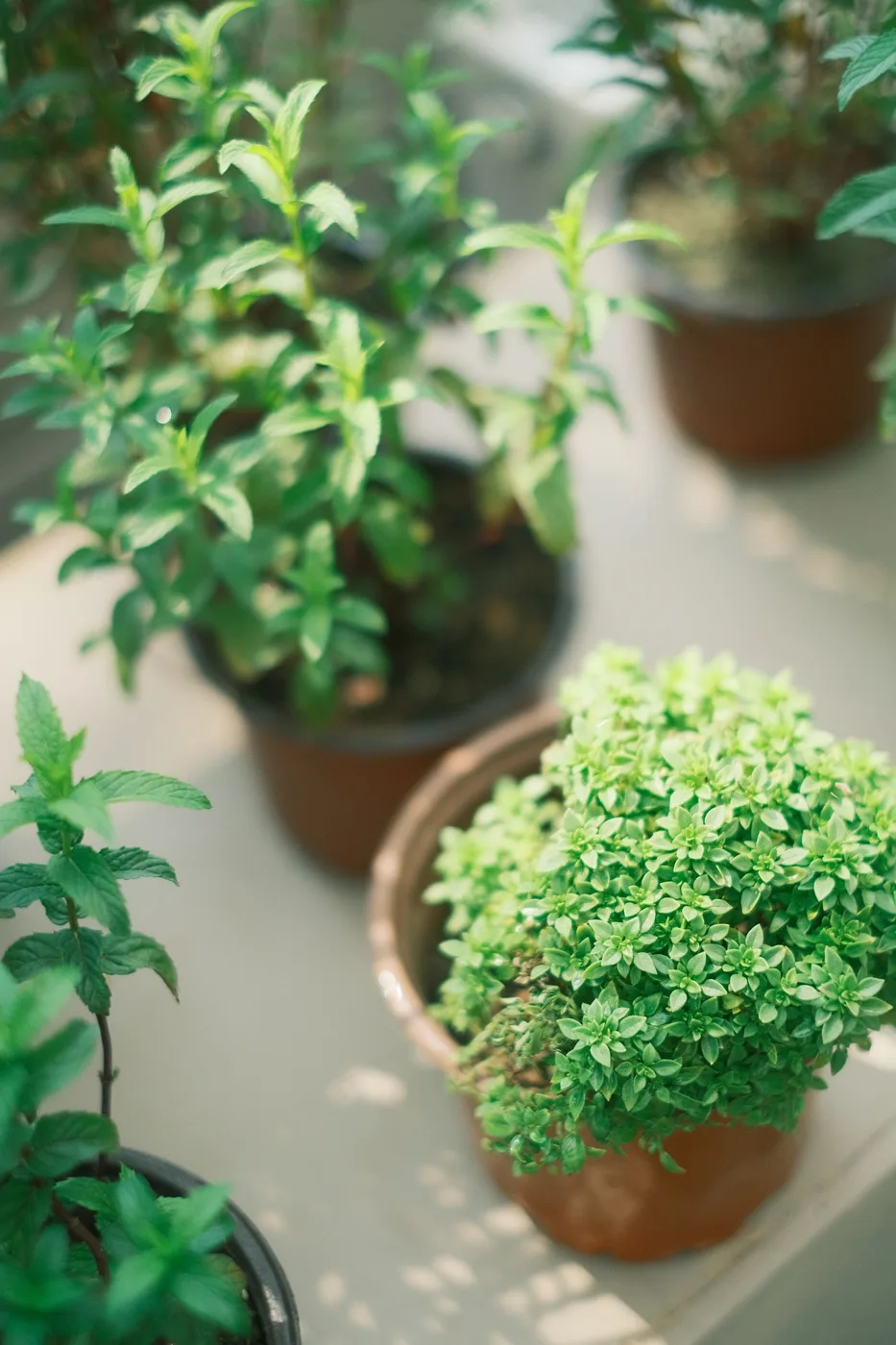
A Balcony Herb Garden That Fits Real Life
Choose useful herbs, manageable pots, and a watering setup for a balcony you actually use.
4 MIN READ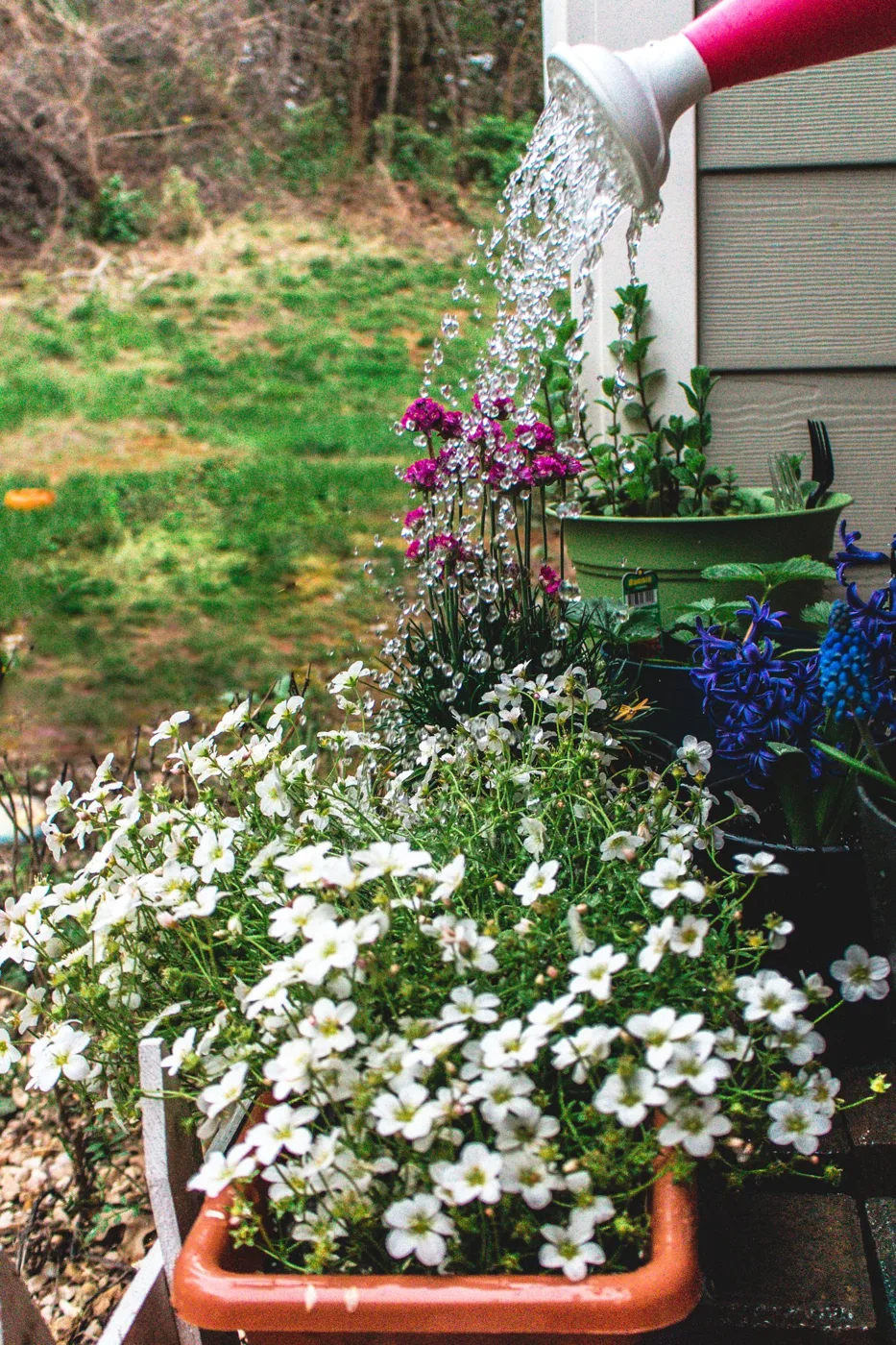
Terracotta, Plastic, or Glazed Pots? Choose for Your Patio
Match planter materials to sun, watering habits, moving weight, and winter storage.
4 MIN READ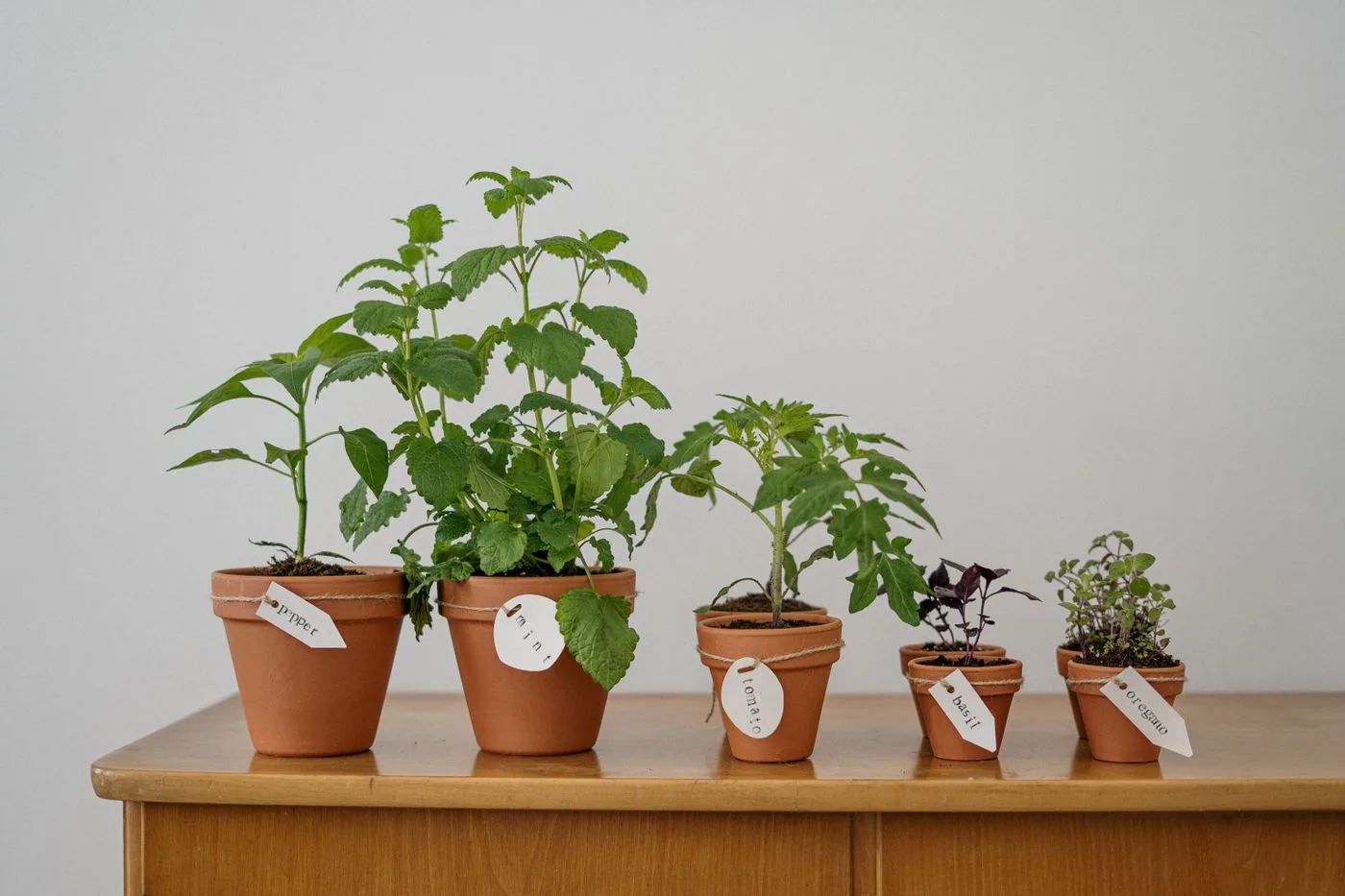
How to Choose Indoor Plants for the Light You Actually Have
Build a small houseplant collection around windows, care habits, and useful container choices.
4 MIN READ