
Watering Can or Hose? A Better Setup for a Small Garden
Choose watering equipment around distance, carrying comfort, runoff, and your plants.
Our guides explain practical buying considerations; they do not represent hands-on product tests. The shopping links below are ordinary retailer links and currently do not earn us a commission. How our links work.
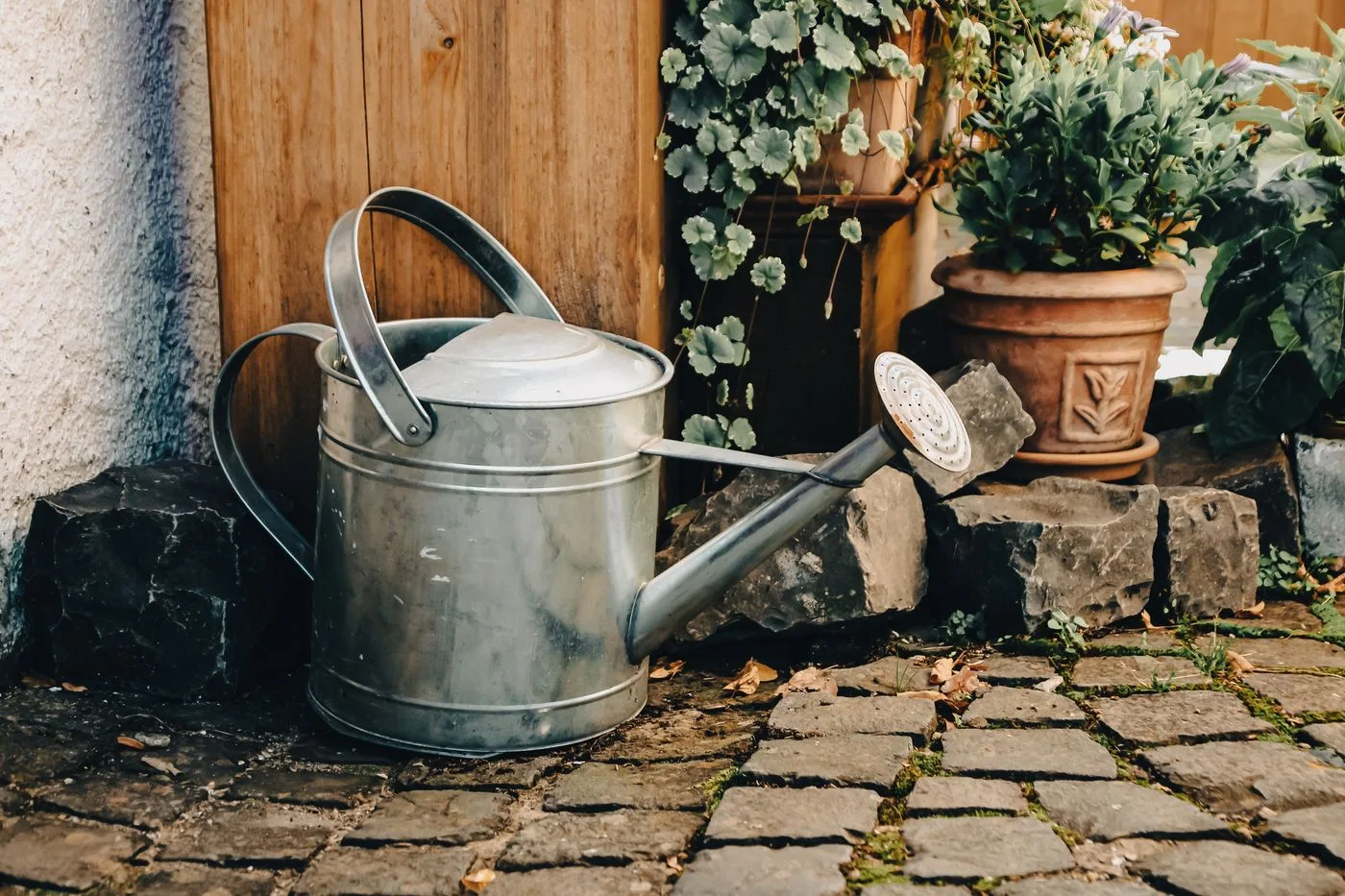
A watering setup should make it easy to give water where plants need it. In a small garden, that might mean one balanced can rather than a long hose. In a deeper backyard, repeated trips to the faucet can make a hose the sensible choice. Start with the route between water and plants, then buy the simplest equipment that works along that route.
Walk the route with your hands full
Measure the distance from the water source to the farthest container or bed, allowing for the path around furniture and corners. A hose pulled taut across a walkway is inconvenient and can create a trip hazard. Too much hose also has a cost: extra weight, extra storage, and more material to drag through the garden.
For a watering can, the limiting factor is carrying comfort. Test how the handle sits in your hand and whether a second grip makes pouring easier. A full large can can be awkward on stairs even when its capacity looks efficient on paper. Two comfortable trips may be better than one strained trip that ends with water spilled across the floor.
The fill opening matters too. Check whether it fits beneath your actual sink or outdoor faucet. Some sculptural indoor cans are pleasant to display but frustrating to fill in a shallow basin. A narrow spout is helpful for closely spaced houseplants; a removable rose can distribute water more gently over seedlings when used appropriately.
| Setup | Best-fitting situation | Main tradeoff |
|---|---|---|
| Watering can | A few reachable pots | Repeated carrying trips |
| Hose and nozzle | Beds near an outdoor faucet | Routing and storage |
| Small drip system | A predictable planting layout | Setup and ongoing inspection |
Where a watering can wins
Choose a can for a balcony, a few indoor plants, or a compact herb collection. It provides control over small amounts and does not need a permanent outdoor connection. Keep an outdoor can clean and stored according to its material requirements, rather than letting it collect stagnant water and debris.
An indoor and an outdoor can can be sensible if they serve different jobs, but a matching collection is unnecessary. Pay for balance, useful spout shape, and a durable connection between handle and body. A finish that coordinates with the kitchen is a bonus after those practical requirements.
For delicate new plants, pour slowly and follow their watering guidance. A fine rose is not a guarantee against disturbing growing mix if you pour from too high or too quickly. Adjust the technique as carefully as the equipment.
Where a hose earns its storage space
A hose is helpful when you have several beds or large containers and a convenient exterior faucet. Compare length, diameter, weight, and the manufacturer's intended use. Kink resistance claims do not remove the need for sensible routing and storage. Inspect fittings and washers, and repair leaks rather than compensating by opening the faucet farther.
Choose a nozzle with a comfortable trigger and the spray patterns you will actually use. A gentle shower pattern can be useful, but direct water toward the growing mix where suitable rather than giving leaves a quick mist and assuming roots are watered. A wand may improve reach, although a long attachment can become tiring when held out at an angle.
Store the hose away from the primary walking route. A reel keeps things tidy but adds bulk and moving parts. A simple hanger may be enough for a short hose if it supports the material without sharp bends. Follow winterizing instructions for the hose and faucet in freezing climates.
Should you add drip irrigation?
A small drip setup can reduce repeated hand watering, especially for a consistent group of containers. It also introduces fittings, emitters, pressure requirements, and maintenance. Plan the layout and check compatibility before ordering a kit. A timer does not know whether a plant has died, an emitter has clogged, or a storm has changed the soil conditions unless the system has appropriate controls.
Begin with a small zone and observe the result. Plants in different-sized pots or exposures may not need the same amount. Check local watering restrictions and any building rules. Automation is most useful after you understand the garden's needs, not as a way to avoid learning them.
Questions that prevent the wrong purchase
Will a moisture meter tell me exactly when to water?
Treat it as one input, together with plant-specific guidance, soil condition, and pot weight. Different mixes and devices can behave differently. Avoid buying a meter as a promise that the rest of the care routine becomes automatic.
Is a retractable hose always easier?
It can simplify storage, but inspect the mounting requirements, reach, replacement options, and effort needed to pull it out. A wall-mounted unit is less useful if you cannot install it in the right place.
What is the best inexpensive improvement?
Fixing a leaking connection and placing the equipment where it is easy to use can matter more than buying a premium nozzle. Start with the friction in your current routine, then spend on the part that actually solves it.
Explore your options
Use these retailer collections to compare current choices. Check the exact dimensions, materials, care instructions, delivery costs, and return terms before ordering.
Watering and garden supplies at Target
Consider it for: Browse cans, hoses, and accessories suited to the distance you need to cover.
Keep in mind: Check fittings, capacity, and storage requirements on each product.
Browse retailer options ↗Watering equipment at Walmart
Consider it for: Compare watering cans, hoses, and attachments around your garden route.
Keep in mind: Check capacity, fitting compatibility, and storage dimensions.
Browse retailer options ↗Sources & further reading
Editorial information and linked destinations reviewed October 6, 2026. Product ranges and specifications can change. Send a correction or a question.
A little more inspiration
More Garden ↗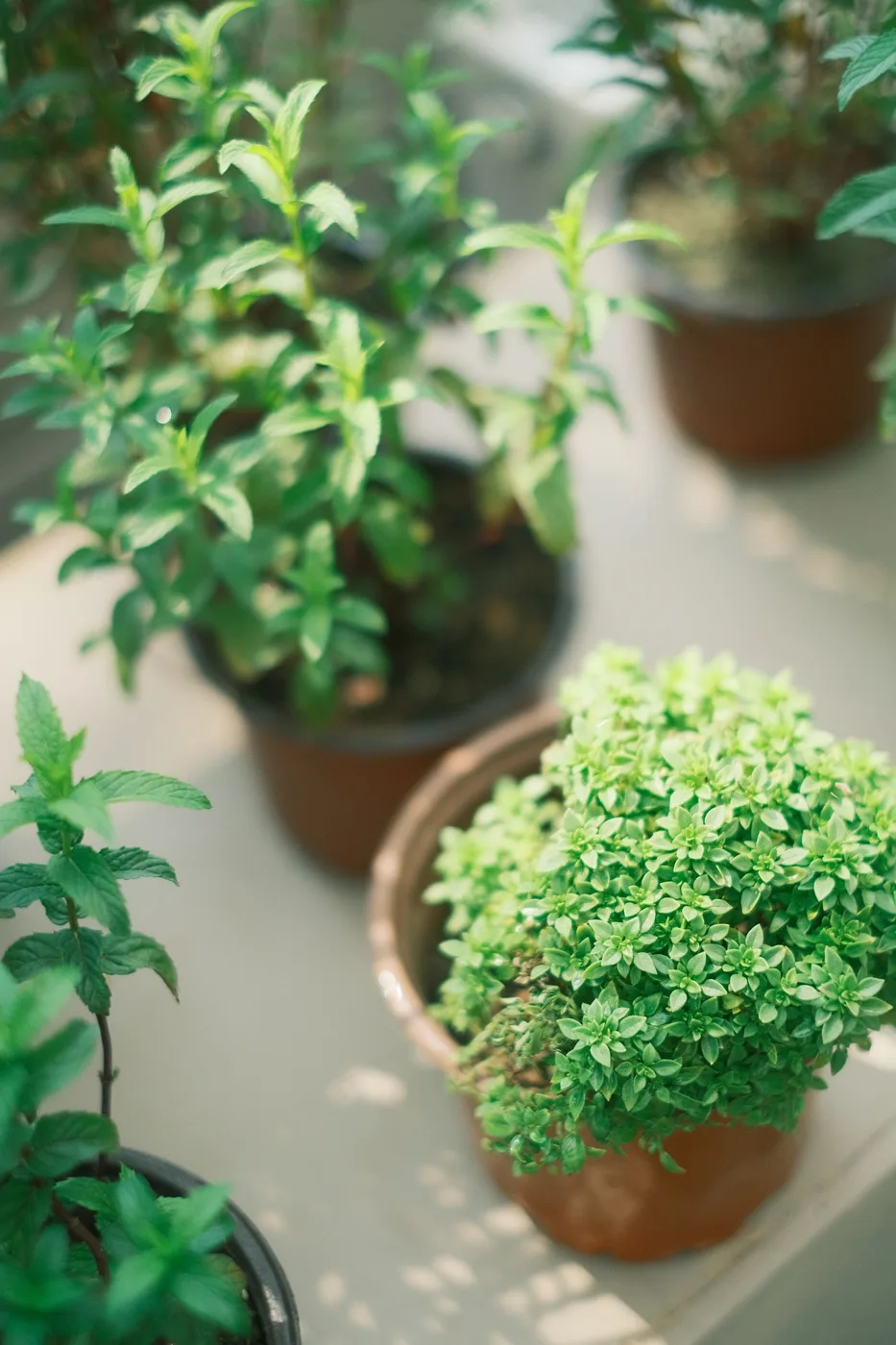
A Balcony Herb Garden That Fits Real Life
Choose useful herbs, manageable pots, and a watering setup for a balcony you actually use.
4 MIN READ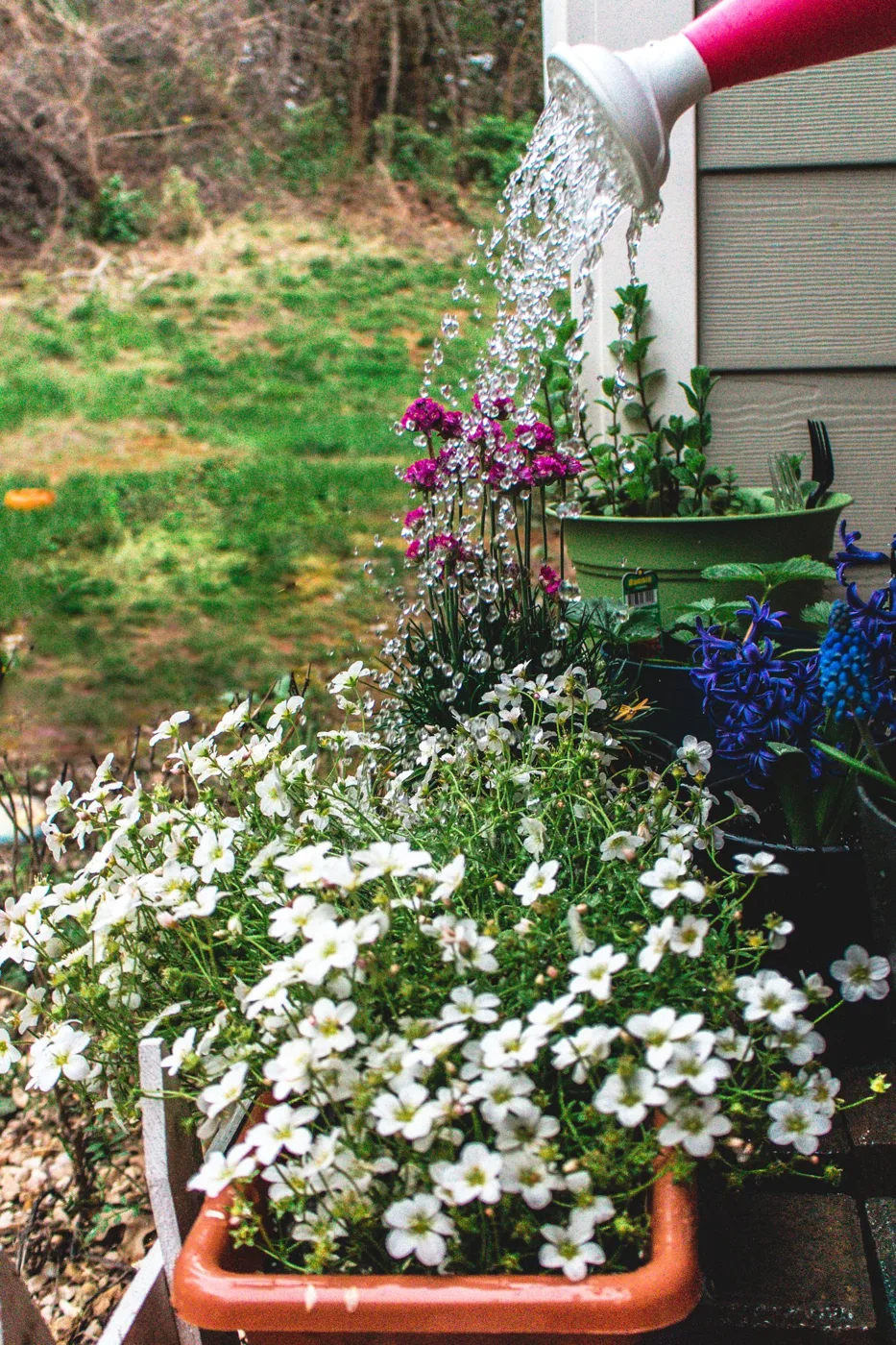
Terracotta, Plastic, or Glazed Pots? Choose for Your Patio
Match planter materials to sun, watering habits, moving weight, and winter storage.
4 MIN READ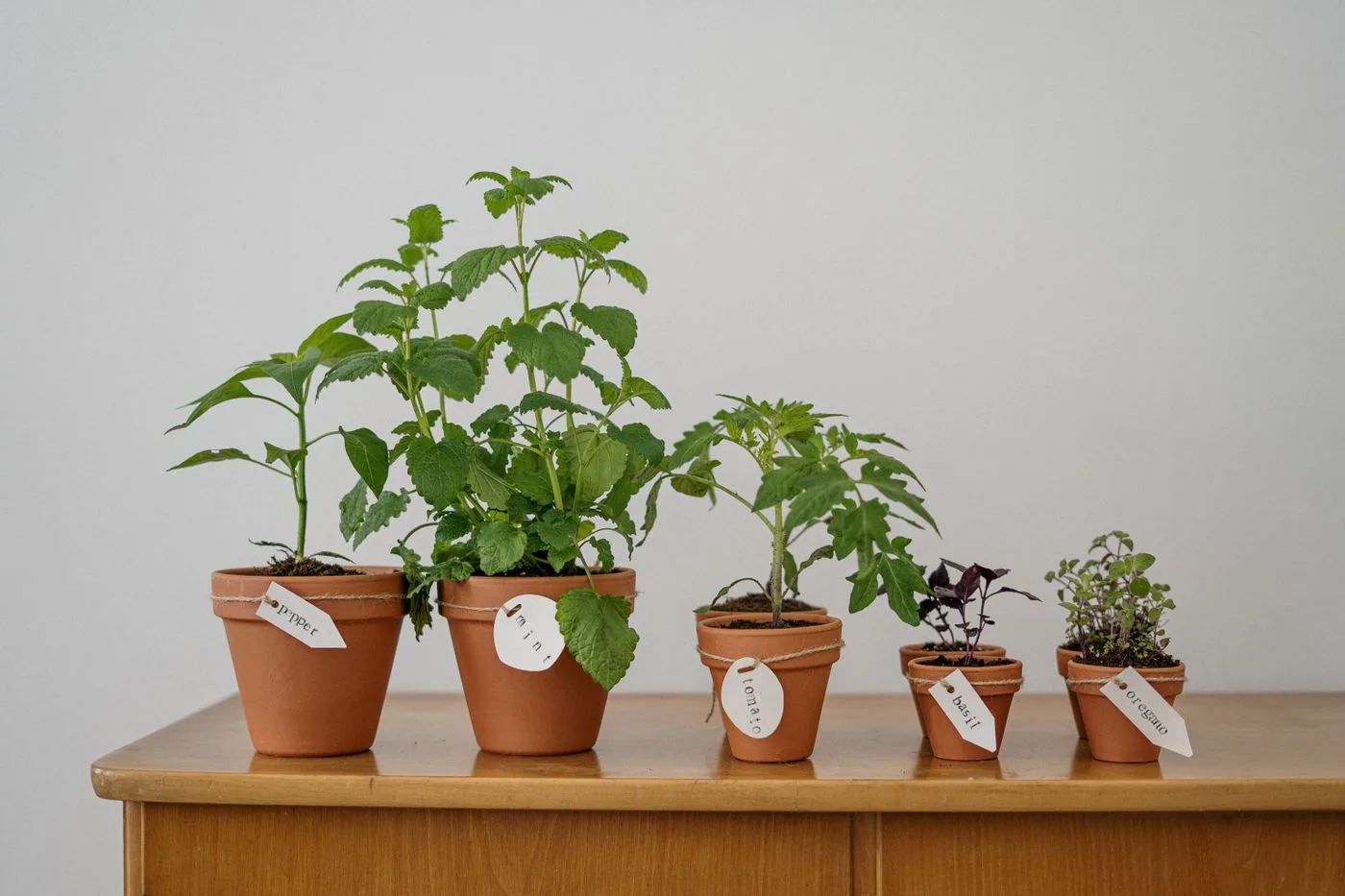
How to Choose Indoor Plants for the Light You Actually Have
Build a small houseplant collection around windows, care habits, and useful container choices.
4 MIN READ