
A Home Paperwork Station for Mail That Needs a Decision
Create a small system for incoming mail, bills, school papers, and household documents without turning your kitchen into an office.
Our guides explain practical buying considerations; they do not represent hands-on product tests. The shopping links below are ordinary retailer links and currently do not earn us a commission. How our links work.
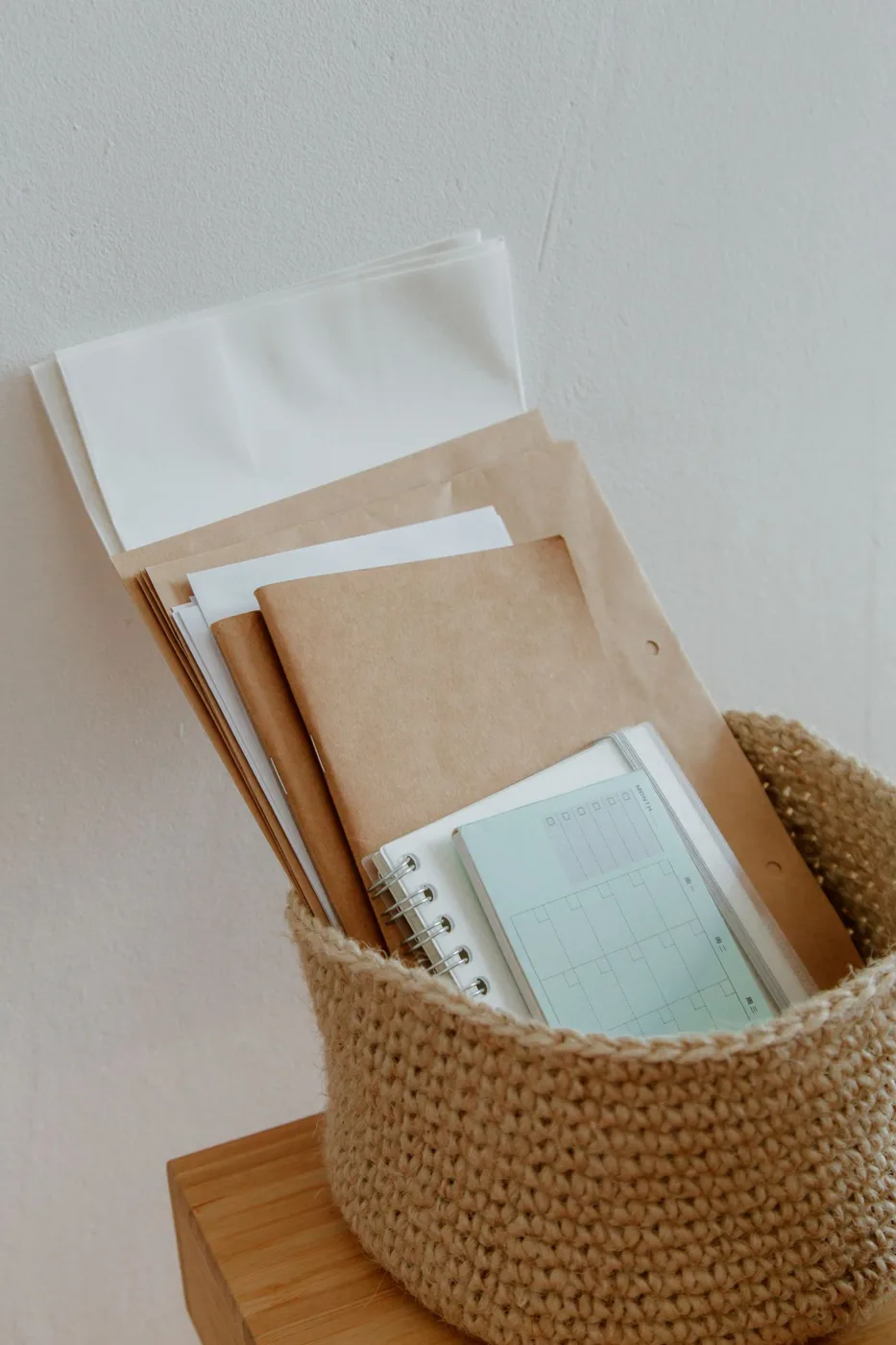
Mail becomes clutter because each envelope asks a different question. Some papers need payment, some need a signature, some deserve filing, and others can leave immediately. Putting everything in one deep basket postpones those decisions without making them easier. A useful paperwork station gives current actions a visible home and keeps long-term records somewhere separate.
Design for the first two minutes
Choose a landing spot where mail already enters the house. It might be a narrow desk, a shelf near the entrance, or one end of a kitchen counter. Keep a recycling option nearby where appropriate and handle documents containing personal information securely. Do not leave sensitive papers exposed in an area used by visitors or service providers.
Make three broad destinations: action, reference, and outgoing. Action holds papers that require a next step. Reference holds items you need temporarily, such as a current school schedule. Outgoing holds signed forms or addressed letters ready to leave. Long-term records belong in a separate filing location rather than expanding the daily station indefinitely.
Tray, vertical file, or document box?
| Option | Good fit | Compromise |
|---|---|---|
| Shallow desktop tray | A small volume of active mail | Papers can overlap and hide deadlines |
| Vertical file sorter | Several ongoing household categories | Requires readable tabs and appropriate paper support |
| Lidded document box | Stored records used infrequently | Adds friction if used for daily actions |
A vertical sorter helps when you need to distinguish multiple household tasks at a glance. A shallow tray may be enough for one person's modest mail volume. Choose the smallest system that supports your actual activity. Large capacity is not always a benefit here: it can allow unresolved tasks to disappear for longer.
Labels should describe a next step
Use labels such as “Sign and return” or “Pay or review” where they clarify action. A folder named “Important” is less useful because almost any paper can qualify. Put a deadline in your calendar when it matters; a folder is not a reminder system. Avoid building so many subcategories that filing the paper becomes another decision you postpone.
Review the action area at a predictable time that fits your routine. A short weekly session may work for ordinary mail, but urgent items need handling when they arrive. During the review, move completed documents to suitable storage or dispose of them appropriately. If a document remains active, identify its actual next step rather than simply returning it to the same pile.
Buy organizers that support the paper
Check the usable dimensions against letter-size documents, envelopes, and any larger school papers you receive. Thin wire slots can allow small slips to slide through, while solid dividers provide more support. A weighted or stable base matters if the sorter sits near a frequently used walkway. Soft fabric bins may look pleasant but offer less protection against bent pages.
For long-term storage, compare folder capacity, label visibility, and how easily the box can be lifted when full. Consider appropriate protection and secure storage for valuable documents. Follow professional guidance for record-retention requirements that affect taxes, legal matters, or insurance; a general home-organization article cannot determine when every document should be discarded.
Digital copies can reduce repetition
A readable digital copy can be useful for reference, but confirm whether the original must be retained. Use a consistent file name that includes a date and recognizable subject. Store sensitive files using appropriate access controls and backup practices. A phone photo buried among holiday pictures is less useful than a document saved where you can reliably find it.
Do not buy a scanner or elaborate filing cabinet before understanding your volume. Many households need a small active station and one modest record box. The most expensive organizer cannot decide whether a bill is correct or a form is complete. Invest first in a routine that makes those decisions happen.
Paperwork station questions
Should each person have a tray? That helps when responsibilities are clearly divided. Shared action categories may be simpler when one adult manages household paperwork.
Where should receipts go? Keep receipts according to their purpose, such as returns, warranties, or expense records. Avoid a permanent undated receipt pile.
How do I stop the station overflowing? Treat its physical capacity as a signal to review, not a reason to add another tray. If the same category repeatedly overflows, simplify the process or assign a clear owner for those decisions.
Explore your options
Use these retailer collections to compare current choices. Check the exact dimensions, materials, care instructions, delivery costs, and return terms before ordering.
Desktop organizers and document boxes
Consider it for: Compare a compact active-paper station with separate long-term storage.
Keep in mind: Extra capacity can hide unresolved tasks rather than helping complete them.
Browse retailer options ↗Vertical file sorters and letter trays
Consider it for: Browse letter trays and vertical organizers with readable labels.
Keep in mind: Small receipts can slip through some open wire designs.
Browse retailer options ↗Sources & further reading
Editorial information and linked destinations reviewed October 6, 2026. Product ranges and specifications can change. Send a correction or a question.
A little more inspiration
More Organization ↗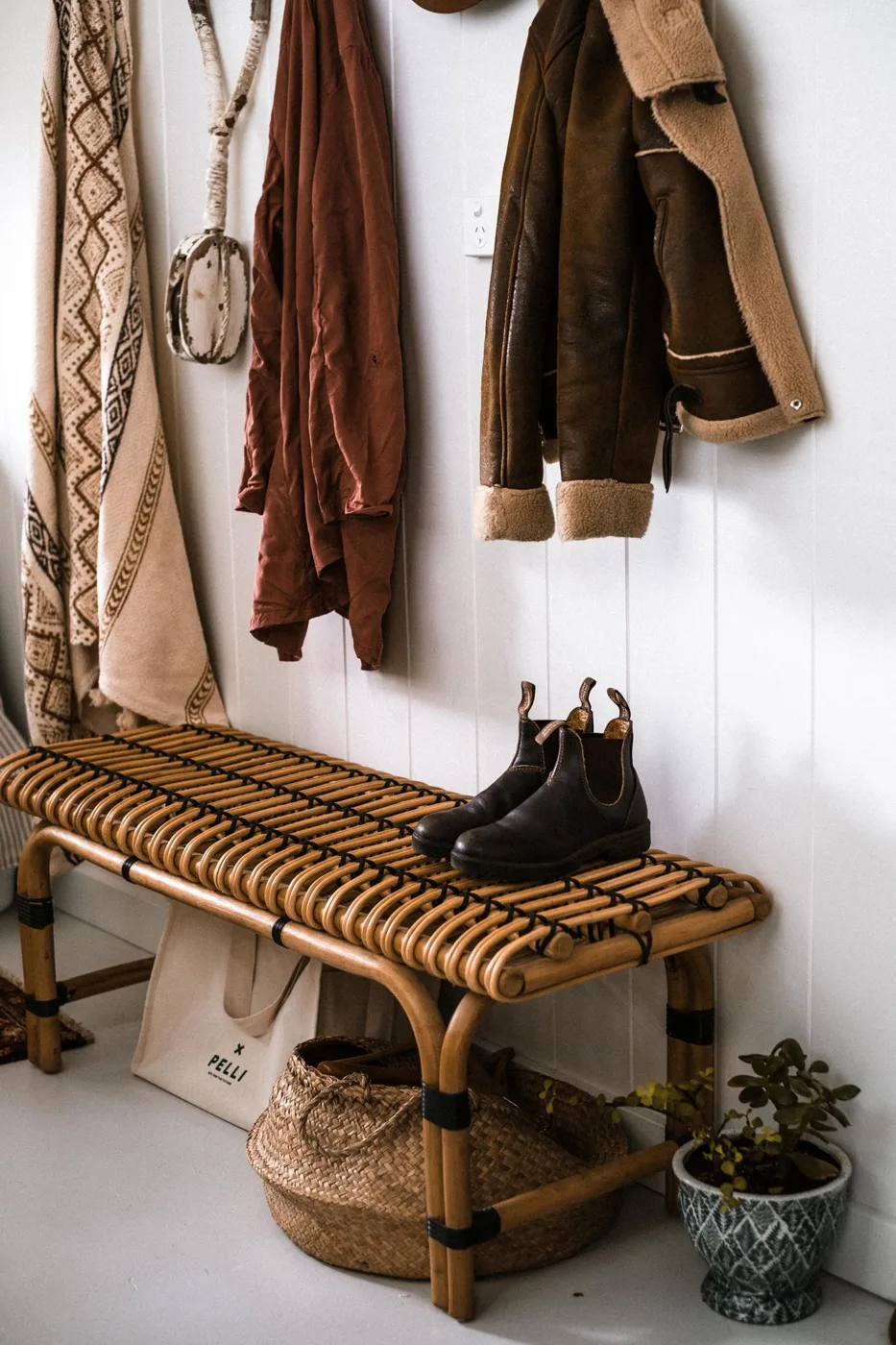
A Small Entryway That Handles the Everyday Drop
Build a workable landing spot for shoes, keys, bags, and incoming mail without giving up the hallway.
4 MIN READ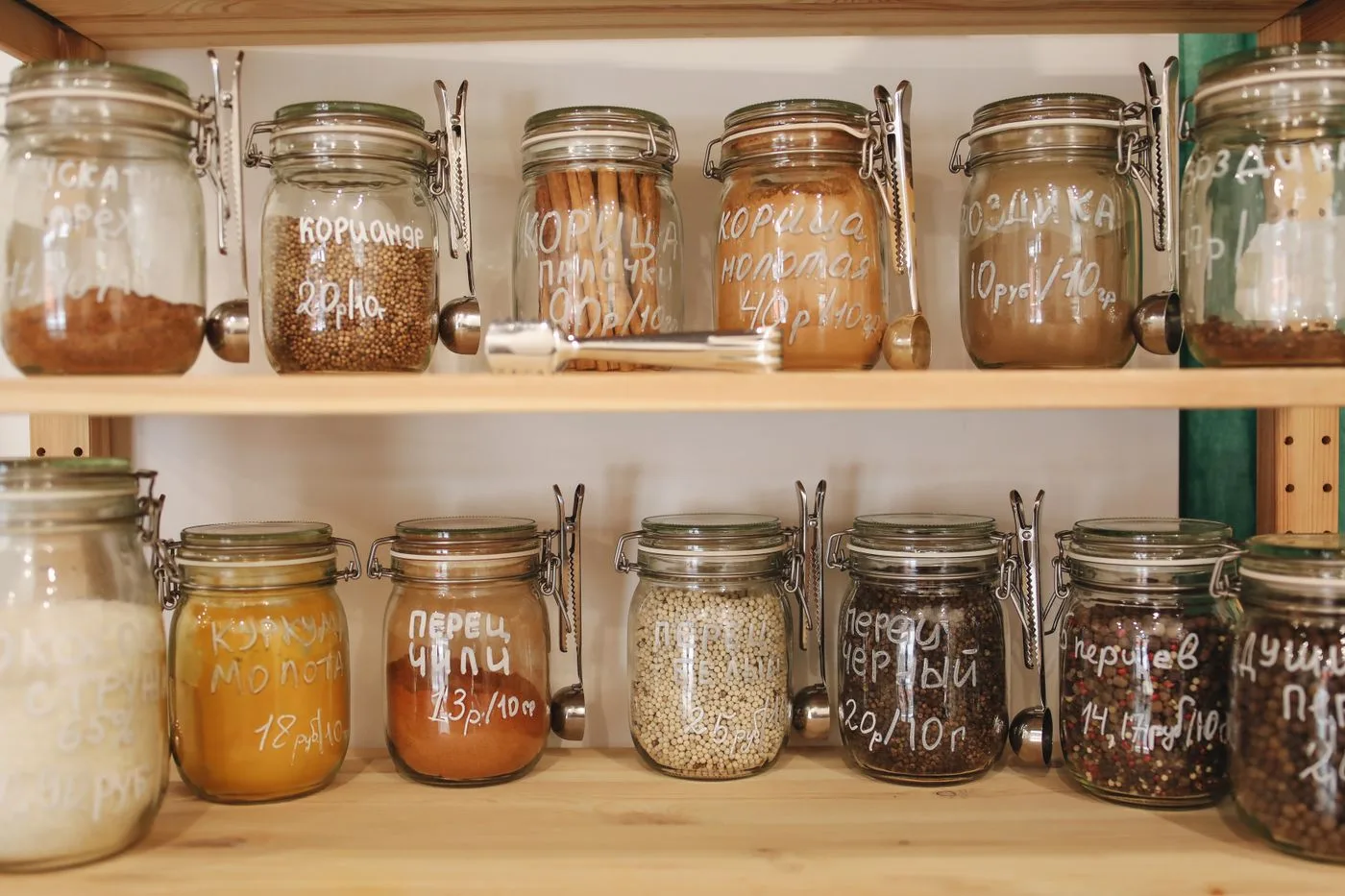
Pantry Bins or Matching Canisters? Choose by How You Cook
Decide what deserves a canister, what should stay in its original package, and how to make pantry space easier to use.
4 MIN READ
Under-Sink Storage That Works Around the Plumbing
Choose caddies, adjustable shelves, and compact bins without blocking shutoff valves or hiding leaks.
4 MIN READ