
Make a Rental Closet Work Without a Renovation
Use existing rods and shelves more effectively, with practical choices for shoes, folded clothes, and seasonal storage.
Our guides explain practical buying considerations; they do not represent hands-on product tests. The shopping links below are ordinary retailer links and currently do not earn us a commission. How our links work.
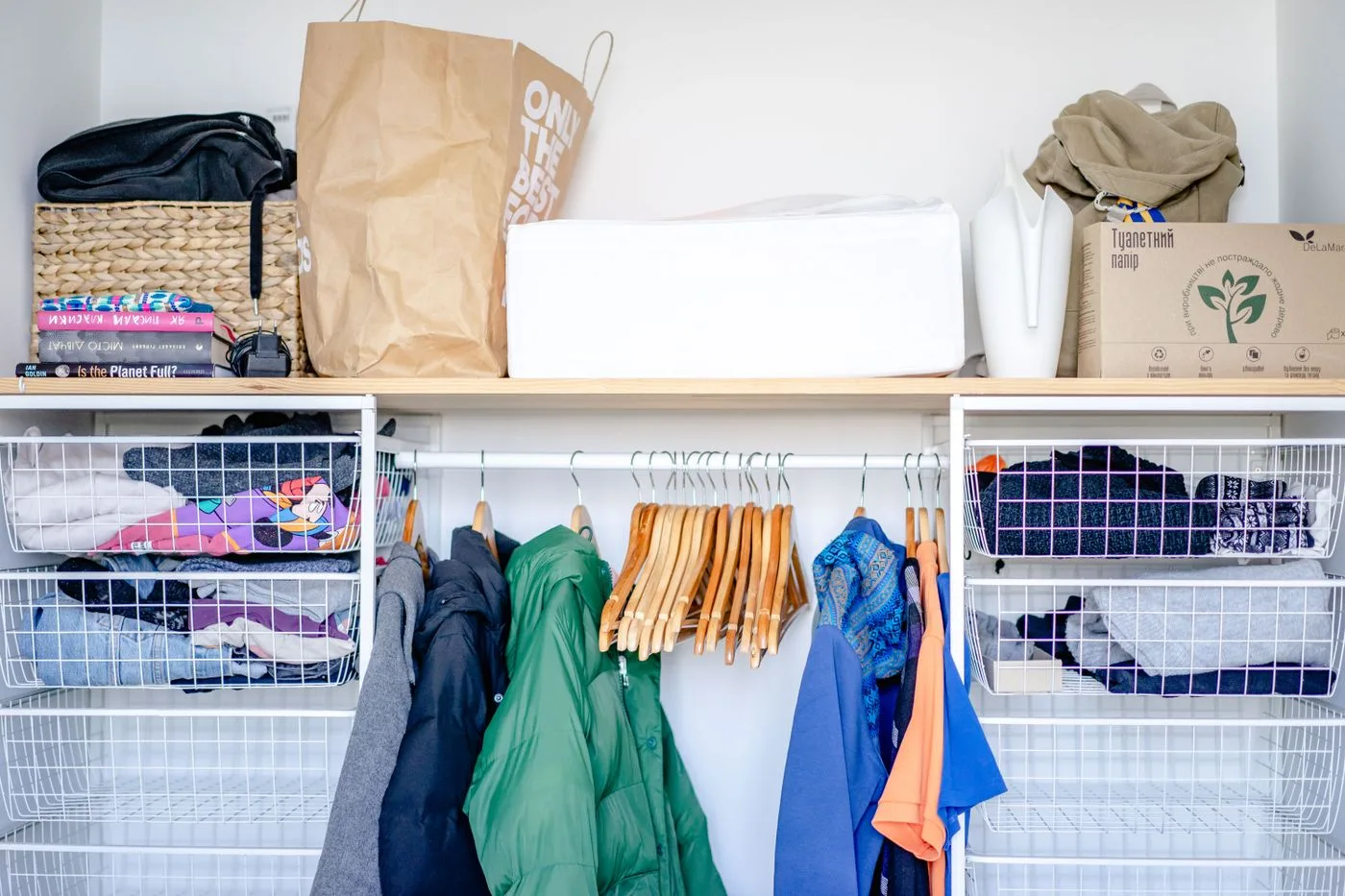
A rental closet may offer one high shelf and one rod, regardless of the clothes you actually wear. That layout suits long hanging garments better than a mixture of T-shirts, sneakers, work clothes, and bulky sweaters. You can often improve access without replacing the closet system. First identify which category is hardest to retrieve, then give that category a better home.
Start with a wardrobe map
Separate long hanging items, short hanging items, folded clothing, shoes, and occasional gear. Measure the clear space below the shortest useful section of hanging clothes. That area may accommodate a small freestanding shelf or shoe rack, provided it does not interfere with longer garments nearby. Measure the door movement too; sliding doors can make only part of the closet reachable at one time.
Check the condition of the existing rod and shelf. Do not assume they can accept unlimited additional hanging organizers. Follow load information where available and ask the landlord about repairs if brackets are loose or damaged. Read the lease before using screws, anchors, or adhesive products. Removable hardware can still affect paint or finishes, so its marketing language is not a substitute for permission or surface compatibility.
Compare three modest upgrades
| Upgrade | Best fit | Main tradeoff |
|---|---|---|
| Hanging fabric shelves | Light folded items under an unused rod section | Consumes hanging width and adds load to the rod |
| Freestanding low shelf | Shoes and folded clothes below short garments | Uses floor area and needs suitable stability |
| Shelf bins | Seasonal or infrequent items | High storage is less convenient for daily use |
A hanging organizer works well for light accessories or T-shirts if the rod can support it. Heavy sweaters can cause flexible compartments to sag, and a narrow opening can make a deep shelf hard to search. A freestanding shelf is often easier to see into, but it should fit without forcing garments to rest on its top. Follow anchoring instructions for furniture that requires them, even in a rental.
Buy hangers for the clothing
A slim hanger may reclaim some width, but uniformity alone does not solve crowding. Use appropriately shaped support for garments that need it, and follow clothing care recommendations. Heavy coats need more support than lightweight shirts. Avoid squeezing hangers so tightly that removing one pulls out three. A little open space makes putting laundry away much less irritating.
If skirts or trousers use clip hangers, check whether the clips mark delicate fabrics. Matching hanger color can make the closet look calmer, but it is a secondary decision. Start by replacing broken or unsuitable hangers rather than buying a large set that leaves you with the wrong shape for half your wardrobe.
Make shoes and small items visible
A low shoe rack is useful when its shelves fit the footwear you own. Measure tall sneakers and boots, and account for the space needed to insert them. Storing shoes in boxes protects them from some dust, but opaque boxes add an identification step. Label them or choose a clear front if the shoes are worn frequently. Let damp footwear dry before putting it into enclosed storage.
Use a shallow tray or small divider for belts and accessories rather than letting them drift across the upper shelf. Place rarely used bags inside suitable dust covers when recommended by their maker, without overstuffing them. A row of bulky handbags can consume the shelf quickly; keeping only the current rotation at eye level may be more helpful than adding another organizer.
Separate seasonal storage thoughtfully
Store clean, dry off-season items in an appropriate container and location. Check care labels before compressing insulated clothing, delicate textiles, or shaped accessories. Under-bed storage may be a useful overflow area if it remains dry and accessible. Measure wheel or lid clearance before buying; the listed box height may not include the space needed to open it under the frame.
Skip a whole-closet kit until you have lived with a smaller adjustment. Large modular systems can be difficult to move, may need installation permission, and can reproduce the same mismatch at a higher cost. One shelf that fits your everyday clothing is often a better investment than a wall full of compartments you do not need.
Rental closet questions
Are tension rods a good shortcut? Only when the product, span, wall surfaces, and intended load are compatible. They should not be treated as structural replacements for a damaged closet rod.
Can I avoid drilling entirely? Often, by using appropriately stable freestanding storage, but follow all furniture safety instructions.
What should I buy first? The item that solves your most frequent retrieval problem. If shoes block the floor every morning, start there before rearranging seasonal sweaters.
Explore your options
Use these retailer collections to compare current choices. Check the exact dimensions, materials, care instructions, delivery costs, and return terms before ordering.
Freestanding closet storage
Consider it for: Compare freestanding storage that fits below short hanging clothes.
Keep in mind: Follow anchoring requirements and rental installation rules.
Browse retailer options ↗Shoe racks and closet shelf bins
Consider it for: Browse shoe and shelf organizers for your current wardrobe.
Keep in mind: Hanging organizers consume rod width and add load to existing hardware.
Browse retailer options ↗Sources & further reading
- IKEA storage and organization range
- Target storage and organization range
- CPSC: Anchor It furniture safety
Editorial information and linked destinations reviewed October 6, 2026. Product ranges and specifications can change. Send a correction or a question.
A little more inspiration
More Organization ↗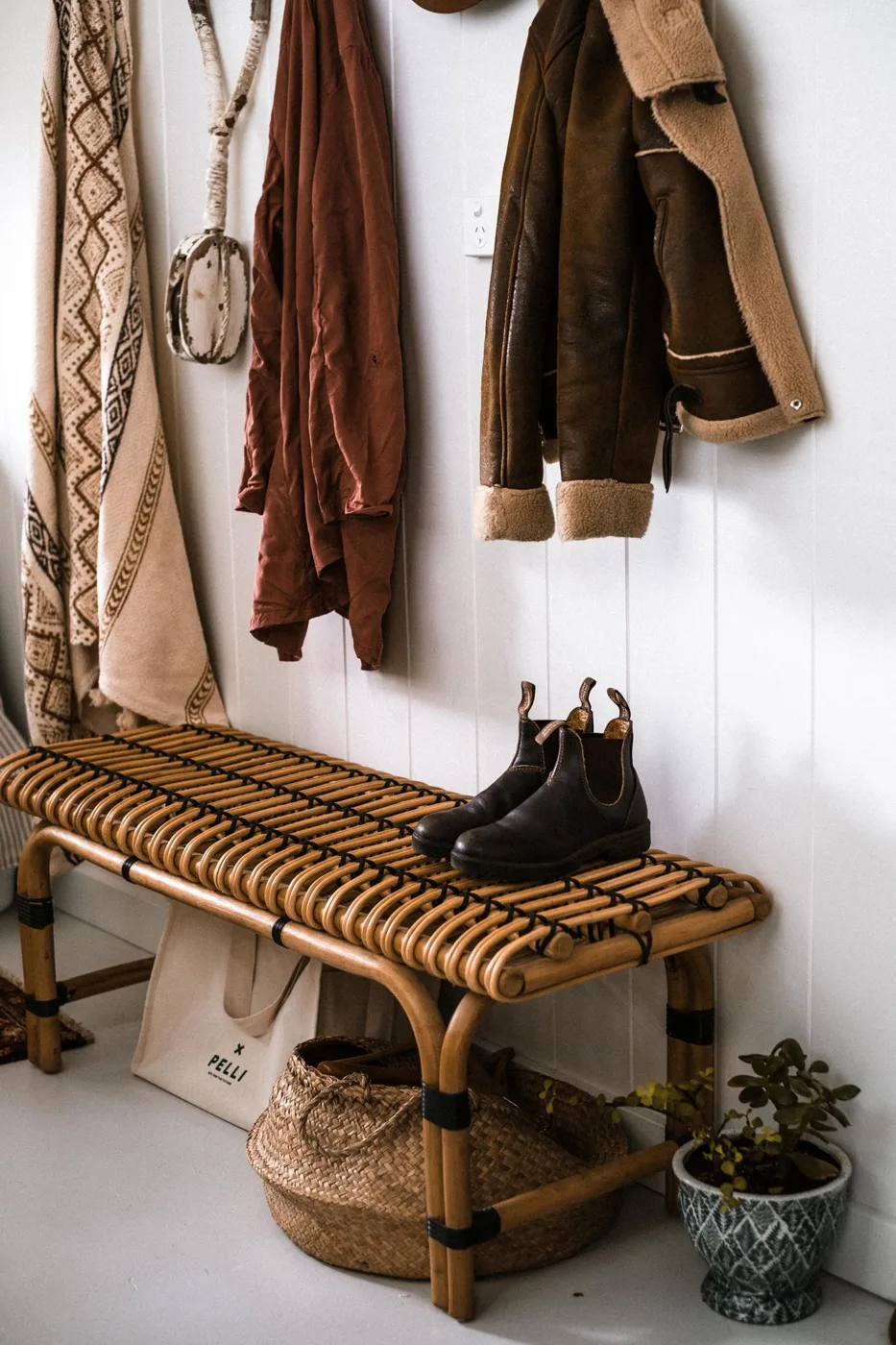
A Small Entryway That Handles the Everyday Drop
Build a workable landing spot for shoes, keys, bags, and incoming mail without giving up the hallway.
4 MIN READ
Pantry Bins or Matching Canisters? Choose by How You Cook
Decide what deserves a canister, what should stay in its original package, and how to make pantry space easier to use.
4 MIN READ
Under-Sink Storage That Works Around the Plumbing
Choose caddies, adjustable shelves, and compact bins without blocking shutoff valves or hiding leaks.
4 MIN READ