
Under-Bed Storage: Drawers, Soft Bags, or Lidded Boxes?
Compare access, dust protection, and lifting effort before using the space beneath your bed.
Our guides explain practical buying considerations; they do not represent hands-on product tests. The shopping links below are ordinary retailer links and currently do not earn us a commission. How our links work.

The space under a bed can hold useful seasonal storage, but it can also become a difficult-to-reach archive of things nobody wants to sort. A good container matches both the bed frame and how often you need the contents. Winter bedding retrieved twice a year has different needs from shoes worn every weekday. Decide which job the space should do before measuring for boxes.
Measure the route, not just the gap
Measure clearance at the lowest point along the container's path, including support rails and center legs. Check how far a drawer or box can pull out before it meets a wall, nightstand, or another piece of furniture. A container may fit under the frame yet be impossible to remove without moving the bed. If it has wheels, include them in the height measurement.
Consider floor texture. Small wheels may roll differently on carpet and hard flooring, and loaded containers can be harder to move than empty showroom examples. Keep any required clearance around heating equipment and follow relevant furniture or appliance instructions. Do not use storage to obstruct vents or access that the room needs.
Choose by retrieval frequency
| Format | Best suited to | Main drawback |
|---|---|---|
| Pull-out drawer | Frequently accessed clothes or shoes | Needs clear travel space and suitable construction |
| Soft zippered bag | Light seasonal textiles | Flexible sides are awkward for heavy or irregular objects |
| Lidded rigid box | Less frequent storage needing structure | Usually must be pulled out to open fully |
A drawer encourages frequent use because the opening action is straightforward. A zippered bag can fit a low gap efficiently, but a weak handle may not suit repeated dragging when full. A rigid box offers predictable shape and stacking elsewhere, yet its lid can add height or require more opening room than expected. Check the whole routine, including how you will close it again.
Store things that tolerate the location
Choose clean, dry items and follow their care and storage guidance. Avoid storing damp shoes or freshly laundered textiles that have not dried completely. Under-bed space still needs periodic cleaning, especially where dust accumulates. A sealed container can keep dust off its contents, but it does not resolve moisture in the room or inside the container.
Do not assume vacuum compression suits every material. Some bedding and insulated garments require particular storage methods. If compression is appropriate, leave the label visible and avoid making a package too heavy or awkward to lift. Keep valued documents or sensitive belongings in storage appropriate to their protection needs rather than choosing the bed simply because there is an empty gap.
Label the side you can see
Put labels on the face visible from the room. A label on top disappears as soon as the container slides beneath the bed. Use broad, specific descriptions such as “Guest bedding” or “Summer shirts,” and avoid vague labels like “Miscellaneous.” If several containers share the space, map them by the side of the bed from which they are accessed.
Do not pack a box so tightly that removing one object disrupts everything else. Leave room to grasp the contents and return them without refolding an entire stack. For shoes, dividers can reduce contact between pairs, but fixed compartments may not fit boots or larger footwear. Measure the actual shoes before purchasing a specialized organizer.
Buying details worth checking
Look at handle attachment, zipper access, lid clips, and the manufacturer's intended use. A fabric loop may be suitable for repositioning a light bag without being suitable for lifting a heavily packed one. Smooth rigid edges make wiping easier, while textured grooves can collect dust. If buying rolling storage, confirm that wheels are included rather than shown as an optional accessory.
Skip a matched multi-pack if only one section of the bed is accessible. Avoid buying containers to preserve belongings you have already decided not to use. Removing one bag of unnecessary items may make the remaining storage easier than adding a more elaborate drawer system. Under-bed space is valuable because it is out of the way, but that same quality makes forgotten inventory likely.
Under-bed storage questions
Is clear plastic always better? It helps identify contents, but labels can make opaque boxes equally usable. Choose based on access, care requirements, and the visual effect you prefer.
Can everyday clothes live here? Yes, when the container opens easily and the location stays suitable for the garments. A difficult zipper or blocked drawer will make daily use frustrating.
How do I keep it from becoming a dumping ground? Give each container a named purpose and review it when seasons change or its contents are retrieved. Do not add an unnamed overflow box.
Explore your options
Use these retailer collections to compare current choices. Check the exact dimensions, materials, care instructions, delivery costs, and return terms before ordering.
Under-bed boxes and fabric bags
Consider it for: Compare low boxes and soft bags for your retrieval frequency.
Keep in mind: A box may fit beneath the bed but lack room to pull out and open.
Browse retailer options ↗Low rolling storage and lidded boxes
Consider it for: Browse rigid or rolling formats for more frequent access.
Keep in mind: Wheels and handles can add clearance requirements beyond the box body.
Browse retailer options ↗Sources & further reading
Editorial information and linked destinations reviewed October 6, 2026. Product ranges and specifications can change. Send a correction or a question.
A little more inspiration
More Organization ↗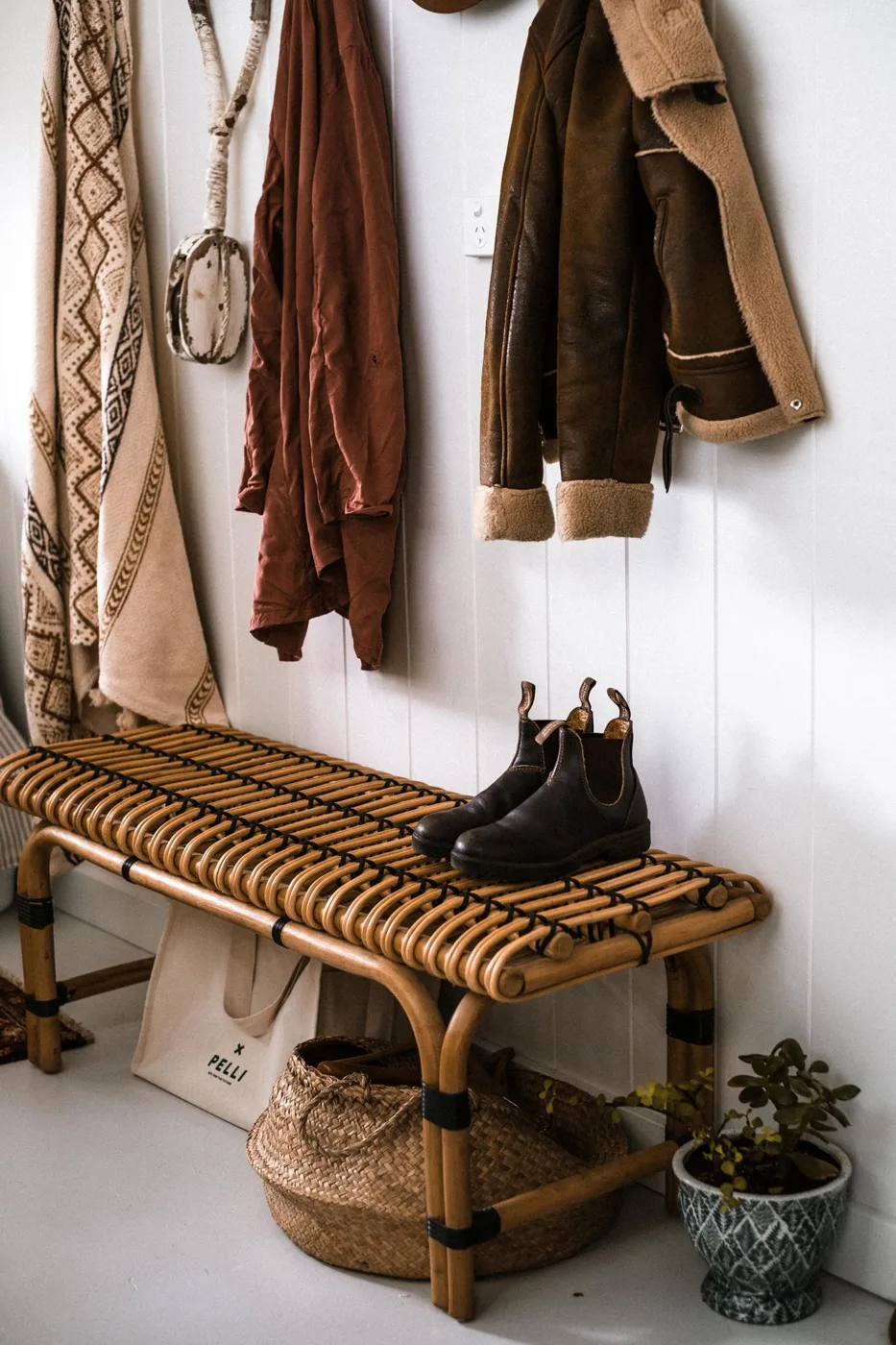
A Small Entryway That Handles the Everyday Drop
Build a workable landing spot for shoes, keys, bags, and incoming mail without giving up the hallway.
4 MIN READ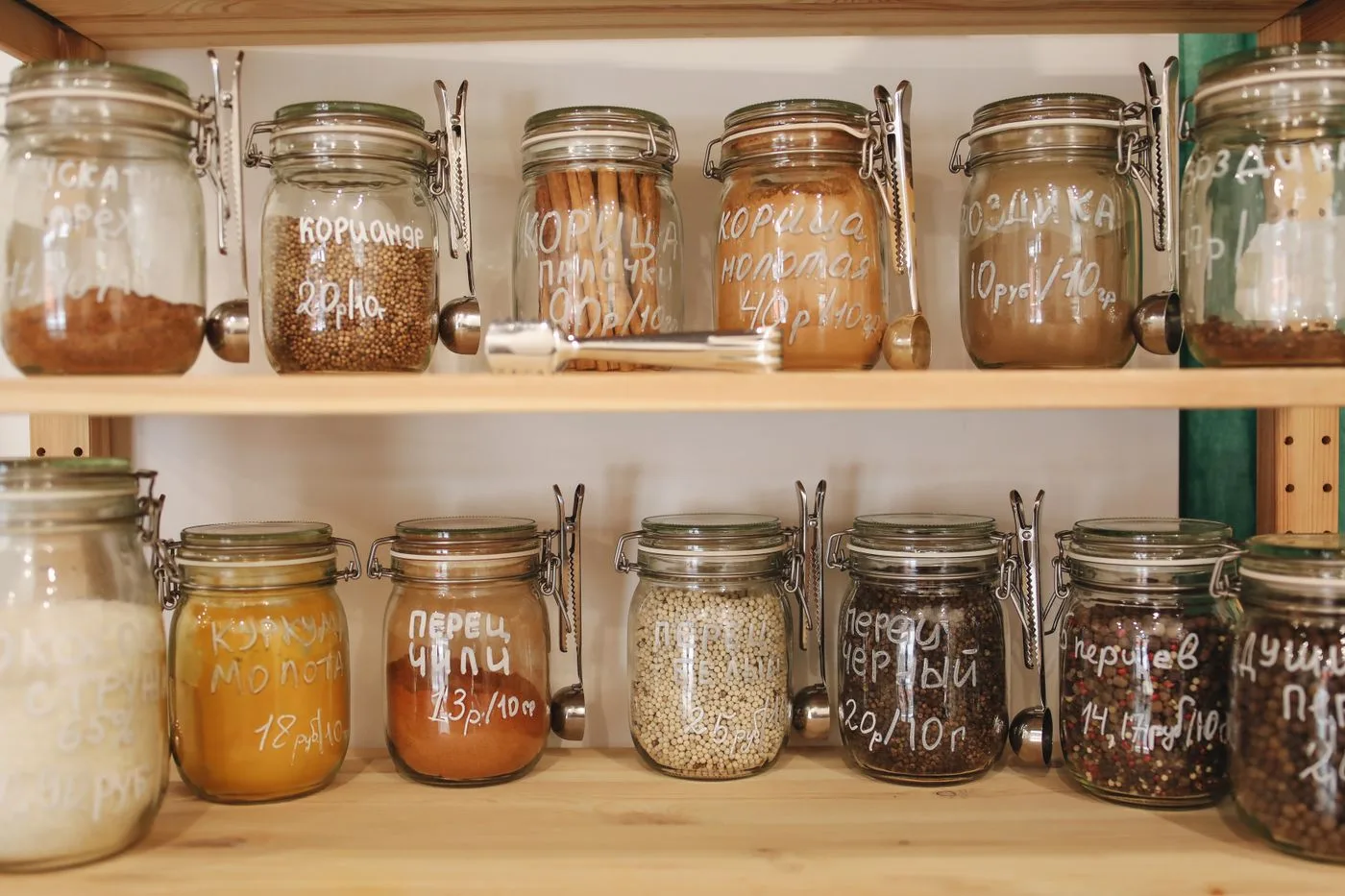
Pantry Bins or Matching Canisters? Choose by How You Cook
Decide what deserves a canister, what should stay in its original package, and how to make pantry space easier to use.
4 MIN READ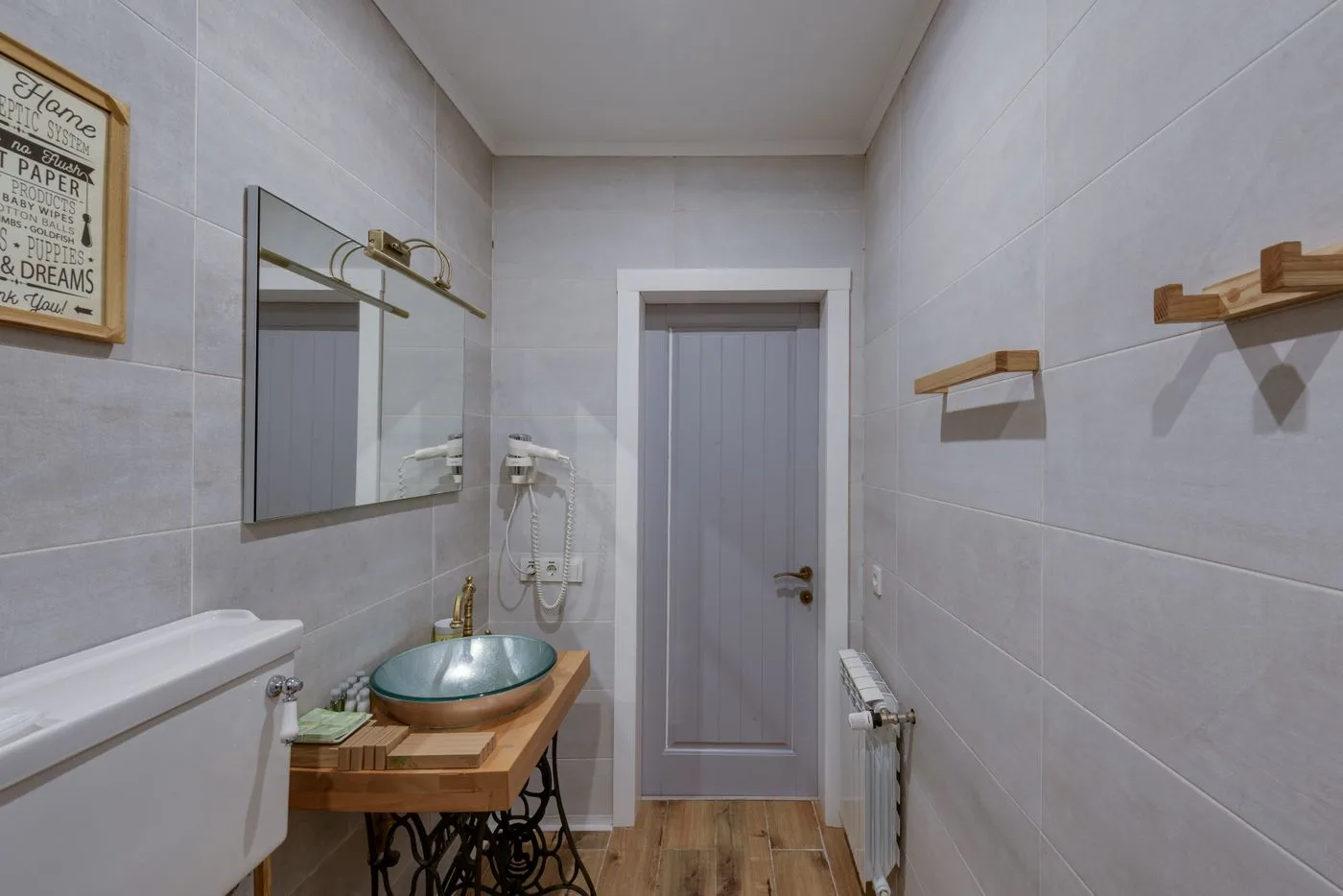
Under-Sink Storage That Works Around the Plumbing
Choose caddies, adjustable shelves, and compact bins without blocking shutoff valves or hiding leaks.
4 MIN READ